Rankings / Candidate
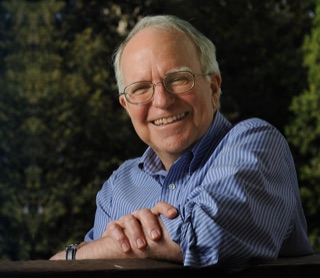
Robert E. Hall
Stanford University / Hoover Institution · Macro
Photo: Bellhorn89, CC0, via Wikimedia Commons
Currently #25, tier Field, score 6.1, named by 1 source.Score history: 100.0, 25.0, 14.3, 14.3, 14.3, 14.3, 14.3, 6.1, 6.1, 6.1, 6.1
The work. The random-walk theory of consumption, models of labor market flows in recessions, and long service chairing the NBER committee that dates American business cycles.
The case for. He decides when US recessions start and end, his consumption paper is a classic, and the flat tax he wrote with Rabushka shaped decades of policy debate.
The case against. Born in 1943, and macro's turn came in 2022 with Bernanke, Diamond, and Dybvig. His work spans too many topics for a tidy citation.
The KmikeyM angle. Hall's consumption result says people smooth spending against expected lifetime income, which is what a shareholder-managed person does when the market sets his budget.
The result. Won the 2026 prize on October 12, shared with Michael Woodford, "for microeconomic foundations of macroeconomic stabilisation." No forecaster or market on our board named him this year; he sat forty-fifth, on his 2017 Clarivate citation alone. The scorecard.
What the sources say
- Clarivate alumni (prior years) named Robert E. Hall: named in 2017: for his analysis of worker productivity and studies of recessions and unemployment (heat 100) Preseason: the Clarivate alumni pool