Rankings / Update
Hall and Woodford win. The board had Woodford third and Hall forty-fifth. Here is the scorecard.
The Royal Swedish Academy gave the 2026 prize to Robert E. Hall and Michael Woodford, for microeconomic foundations of macroeconomic stabilisation. Woodford was third in the Power Rankings, named by Clarivate in September and priced third on Polymarket, never listed on Kalshi. Hall was named by no forecaster this year and listed on no market; he sat in our Field tier on a 2017 Clarivate citation alone. Both markets closed the morning with Ariel Pakes first and Susan Athey second. Every source is graded below. We also went back and asked whether a bet would have paid: a dollar on each of our own top five, placed the day Polymarket opened, returned +213%. In 2027 the desk takes positions.
Robert E. Hall
Stanford. Named by one signal of fifteen: a 2017 Clarivate citation. On no market.
Michael Woodford
Columbia. Named by Clarivate in September, third on Polymarket, never listed on Kalshi.
The Royal Swedish Academy of Sciences awarded the 2026 Sveriges Riksbank Prize in Economic Sciences to Robert E. Hall of Stanford and Michael Woodford of Columbia, "for microeconomic foundations of macroeconomic stabilisation." The press release went out at 11:45 in Stockholm, 02:45 here in Los Angeles.
The committee's story: Keynesian stabilization policy looked dead after the 1970s, and these two rebuilt it on households and firms that look forward, which is why a central bank can steer an economy by saying what it plans to do. John Hassler, who chairs the committee, said their models are the ones "now used by central banks and governments around the world."
Where they sat on our board
Woodford was third in the Power Rankings at 20.3 on Friday's board, behind Ariel Pakes and Susan Athey. Two sources had him. Clarivate named him on September 17, "for contributions to the theory and practice of monetary policy," and Polymarket priced him third from its opening day. Kalshi never listed him. Of the ten sources that published a call this season, eight did not have his name.
Hall was forty-fifth, tied with forty-odd economists in the Field tier at 6.1. The only signal that carried him was the Clarivate alumni pool, sixty-eight past Citation Laureates who had not won, which we weight at 1 and which gives every name the same heat. He was named in 2017 "for his analysis of worker productivity and studies of recessions and unemployment."
No forecaster, no model, no market and not this desk named Robert Hall in 2026. His own scouting report, written in September, said macro's turn came in 2022 and his work spans too many topics for a tidy citation. The committee found one.
The money's final hours
| Name | Kalshi, last trade | Polymarket, last trade |
|---|---|---|
| Ariel Pakes | 21¢ at 09:42Z | 18¢ at 09:42Z |
| Susan Athey | 12¢ at 09:32Z | 11¢ at 09:36Z |
| Michael Woodford | not listed | 10¢ at 09:41Z |
| Richard Blundell | 9¢ at 09:44Z | 8.6¢ at 09:30Z |
| David Autor | not listed | 17¢ at 09:42Z |
| Lawrence Katz | not listed | 14¢ at 08:19Z |
| Robert E. Hall | not listed | not listed |
The favorites held to the end. Kalshi's last print on Pakes was 21 cents three minutes before the announcement, after 7,642 contracts changed hands since Friday; Athey settled with the largest open interest on the book, 12,309 contracts. Polymarket had Pakes at 18 and Athey at 11 in the last ten minutes. Woodford's last trade before he won was 10 cents, four minutes out. At 04:56Z Monday someone bought 350 contracts of no on Woodford at 89, about $311 that he would lose, five hours before he won.
The weekend's heaviest Kalshi name was Luigi Zingales, 9,085 contracts at 1 and 2 cents, the tail of the longshot cycling we described on Friday. Polymarket settled at $110,740, up from $71,065 on Friday: about $17,000 traded between Friday's board and the announcement, and about $22,000 after it, as the losers were sold to zero and Woodford was bought to 99.
The scorecard
Fifteen sources are on the board. Each one's grade is the heat it gave the two laureates, averaged, on the same scale the Power Rankings use: a named pick is 100, a market price is its cents, a rank is its place in the list. A source that named one laureate and not the other scores 50. A source that published nothing this season is not graded. The desk is graded, because not filing a call was our choice.
Read it plainly: two sources scored, one of them the lightest-weighted signal on the board, and the composite still had Woodford third because Clarivate and Polymarket together carry 6 of the 16.5 points of weight that were live. That is the argument for a composite and also its limit. Every source that published a list of names this year, human or machine, missed both laureates. The two markets listed twenty names between them and one was a winner, which is the same result the other five prizes produced last week: the favorites went zero for six, and as we wrote on Friday, three of the first five prizes went to people the markets had not listed at all.
Scorecard as a table
| Source | Weight | Woodford | Hall | Grade |
|---|---|---|---|---|
| Clarivate Citation Laureates | 3 | named, September 17 | not named this year | 50 |
| Clarivate alumni | 1 | not on the list, he was this year's pick | named, 2017 | 50 |
| Polymarket | 3 | 10 cents, last trade before the result | not listed | 5 |
| Kalshi | 3 | not listed | not listed | 0 |
| Prophet Arena | 1.5 | not among the nine names it forecast | not among them | 0 |
| Richard Tol's model | 1.5 | not in the top ten | not in the top ten | 0 |
| Scott Cunningham | 1.5 | not on the list | not on the list | 0 |
| Octagon AI | 0.5 | not forecast | not forecast | 0 |
| Nicholas Decker | 1 | not named | not named | 0 |
| Maia Mindel | 0.5 | not named | not named | 0 |
| KmikeyM desk | 0.5 | no call filed | no call filed | 0 |
| Marginal Revolution | 1.5 | no list published in 2026 | not graded | |
| Ladbrokes | 2 | no economics market in 2026 | not graded | |
| HSE prediction contest | 1 | tally not yet published | pending | |
| Tomas Bata contest | 0.5 | tally not yet published | pending |
Would a bet have paid?
We tracked the markets all season without a position, so we went back and priced the strategies we could have run.
The market's board. The simplest strategy is a spread: a dollar on each of the top N names. On Polymarket, where Woodford sat third at 11.5 cents from Friday through Sunday, the top three returned +190 percent, the top five +74, the top eight +9, and the top ten lost money. On Kalshi, which never listed him, every spread of every size lost all of it. Whether the market had him on the ballot was the whole trade.
Our board. The question we care about is whether our rankings were worth betting. They were, and they were early. The Power Rankings had Woodford tied for first on September 17, the day Clarivate named him, and second on every board from September 20 through October 5. For those nineteen days there was nowhere to act on it: Kalshi did not list him and Polymarket had no market.
The day Polymarket opened, October 6, he was 8 cents and fourth on our board. A dollar on each of our top five that day, skipping Steven Berry because no market sold him, is $4 in and $12.50 out, +213 percent. From the final board on October 9 the same bet returns +117 percent, and the top three, by then Pakes, Athey and Woodford, +190. The top three on October 6 would have missed, because Berry sat third and could not be bought. Hall was never buyable anywhere, and no strategy captures him; one laureate pays on its own.
| Bought from our board on | Woodford's rank | Top 3 | Top 5 | Top 8 | Top 10 |
|---|---|---|---|---|---|
| Sep 17 to Oct 5, six boards | 1st, then 2nd | no market listed him | |||
| Oct 6, Polymarket opens | 4th at 8¢ | lost (Berry 3rd, unlisted) | +213% | +79% | +56% |
| Oct 9, final board | 3rd at 11.5¢ | +190% | +117% | +24% | +9% |
The caveats are real. Our top five on October 6 was Clarivate's four names plus Pakes minus Winter, and Clarivate's four alone, bought that day at 20, 7, 5 and 8 cents, return the same +213 percent. Across the week's other five prizes no spread of any size paid on any market: three laureates were unlisted everywhere and the Peace laureate was listed and never traded. And it is one season. But the board was ahead of the money by nineteen days, and the money, not the forecast, was the bottleneck. The full tables, including the other five prizes, follow as their own update this week.
What this does to 2027
The weights are editorial and public, and the point of grading is to change them. These are the desk's proposals; they take effect when the 2027 board opens, so the replay of this season stays as it was scored.
- Clarivate's current-year list keeps its 3. The only forecaster that produced a laureate, which is what it has done most years for two decades.
- The alumni pool gets heavier, and gets recency. It was the only signal on Hall, at weight 1 across sixty-eight names at equal heat. A name from 2017 and a name from 2025 are not the same signal. We will propose a decayed weight before the 2027 list comes out.
- Markets keep 3 each, with two changes. We record a name's last trade alongside the midpoint all season, so a pulled book cannot move the board. And a market that does not list a candidate is recorded as such rather than as a zero: Kalshi had twelve names and no laureate, Polymarket seventeen and one, and the lesson of this week is about what the markets choose to list.
- Prophet Arena and Octagon inherit Kalshi's ballot, so they inherited its miss. A source that cannot name a candidate outside the market's list should not carry more weight than the market itself.
- Tol's model stays at 1.5. The one source that models the committee rather than the economists put neither laureate in its top ten. One season is one draw.
- The desk files a call. Ours was due October 4 and never went in.
HSE and Tomas Bata grade themselves when they publish their tallies, in an update this week. Then the deep dive on the laureates, and the full-season replay, which now has an ending.
The board after this update
Darkhorses Respected, lower probability, could surprise.
| # | Candidate | Field | Sources | Score | ||
|---|---|---|---|---|---|---|
| 1 | – | Ariel Pakes Harvard University |
Industrial organization | 8 | 28.9 | |
| 2 | – |  |
Susan C. Athey Stanford Graduate School of Business |
Market design | 5 | 25.8 |
| 3 | – | Michael D. Woodford Columbia University |
Monetary | 2 | 20.0 | |
| 4 | – | Steven T. Berry Yale University |
Industrial organization | 4 | 19.7 | |
| 5 | – |  |
Hal R. Varian University of California, Berkeley (emeritus); formerly Chief Economist, Google |
Market design | 2 | 19.3 |
| 6 | – | Sidney G. Winter The Wharton School, University of Pennsylvania (emeritus) |
Innovation and firms | 2 | 18.4 | |
| 7 | – |  |
David Autor MIT |
Labor | 3 | 18.2 |
| 8 | – | 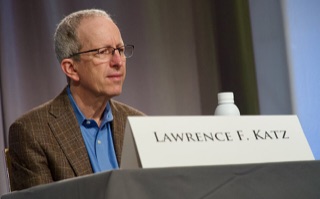 |
Lawrence F. Katz Harvard University |
Labor | 3 | 17.7 |
| 9 | ▼1 | Robert J. Barro Harvard University |
Macro | 6 | 16.0 |
The Field On our radar. The live sources are not pricing them.
| # | Candidate | Field | Sources | Score | ||
|---|---|---|---|---|---|---|
| 10 | – | James A. Levinsohn Yale University |
Industrial organization | 3 | 13.6 | |
| 11 | – | Kevin M. Murphy University of Chicago Booth School of Business |
Labor | 3 | 13.3 | |
| 12 | – | Gene M. Grossman Princeton University |
Trade | 2 | 11.5 | |
| 13 | – | 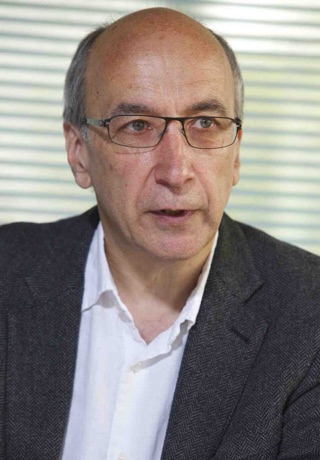 |
Richard Blundell University College London / Institute for Fiscal Studies |
Labor | 4 | 9.9 |
| 14 | – | Timothy Bresnahan Stanford University |
Industrial organization | 2 | 9.1 | |
| 14 | – | Sanford Grossman QFS Asset Management; formerly Wharton and Princeton |
Finance | 1 | 9.1 | |
| 16 | – | 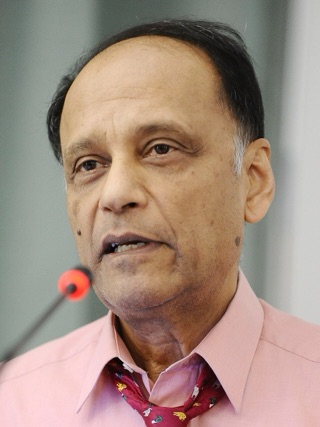 |
Partha Dasgupta University of Cambridge |
Environment | 5 | 8.6 |
| 16 | ▲1 | 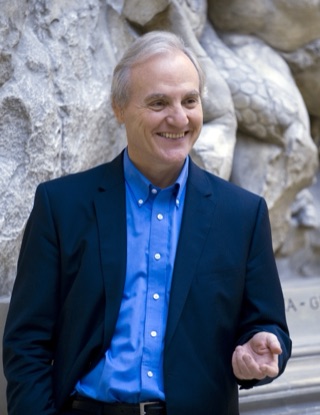 |
Ernst Fehr University of Zurich |
Behavioral | 4 | 8.6 |
| 18 | – | 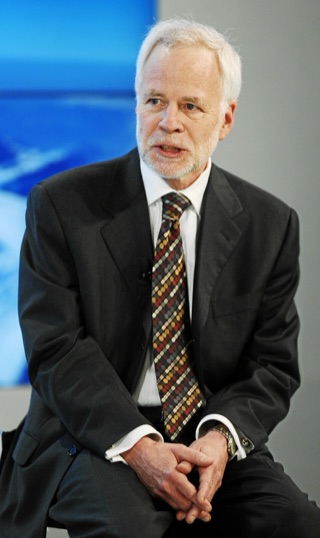 |
Barry Eichengreen University of California, Berkeley |
Macro | 1 | 8.2 |
| 19 | – | Kenneth R. French Dartmouth College (Tuck School of Business) |
Finance | 2 | 7.9 | |
| 20 | – | 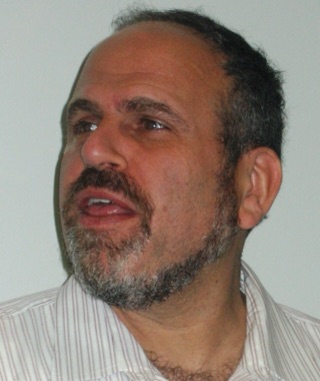 |
Matthew Rabin Harvard University |
Behavioral | 4 | 7.4 |
| 21 | – | 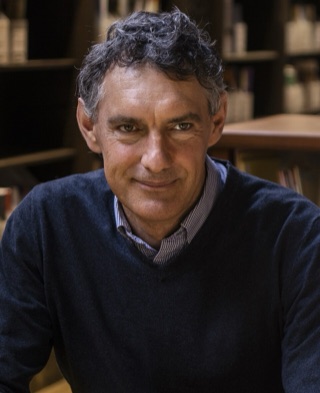 |
Emmanuel Saez UC Berkeley |
Inequality | 2 | 7.2 |
| 22 | – | 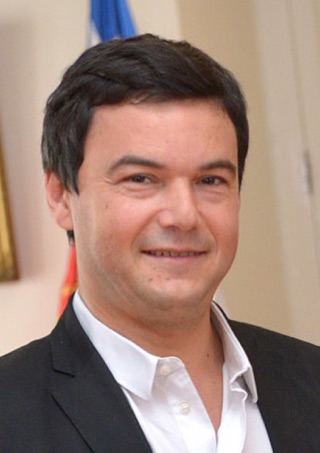 |
Thomas Piketty Paris School of Economics |
Inequality | 2 | 6.8 |
| 23 | – | Drew Fudenberg Massachusetts Institute of Technology |
Theory | 1 | 6.4 | |
| 23 | – | 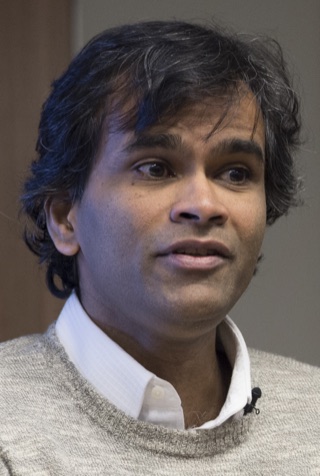 |
Sendhil Mullainathan MIT |
Behavioral | 2 | 6.4 |
| 25 | – | Manuel Arellano CEMFI, Madrid |
Econometrics | 1 | 6.1 | |
| 25 | – | 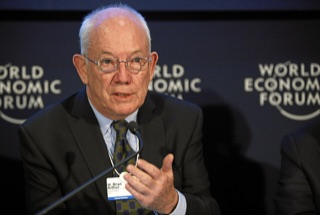 |
W. Brian Arthur Santa Fe Institute |
Innovation and firms | 1 | 6.1 |
| 25 | – | David B. Audretsch Indiana University |
Innovation and firms | 1 | 6.1 | |
| 25 | – | Marianne Bertrand University of Chicago Booth School of Business |
Labor | 1 | 6.1 | |
| 25 | – | 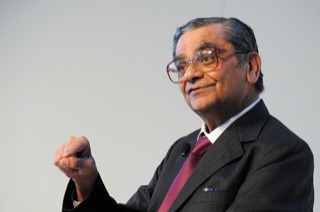 |
Jagdish Bhagwati Columbia University |
Trade | 1 | 6.1 |
| 25 | – | 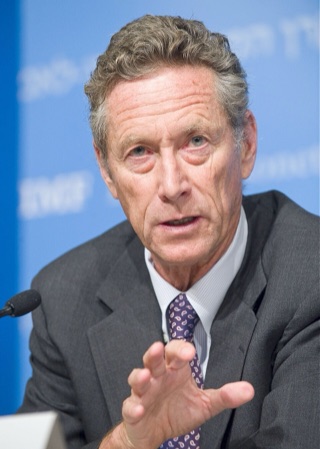 |
Olivier Blanchard Peterson Institute for International Economics / MIT |
Macro | 1 | 6.1 |
| 25 | – |  |
Nicholas Bloom Stanford University |
Macro | 1 | 6.1 |
| 25 | – | Steve Bond University of Oxford |
Econometrics | 1 | 6.1 | |
| 25 | – |  |
Samuel Bowles Santa Fe Institute |
Behavioral | 1 | 6.1 |
| 25 | – | Colin Camerer California Institute of Technology |
Behavioral | 1 | 6.1 | |
| 25 | – |  |
Raj Chetty Harvard University |
Public economics | 1 | 6.1 |
| 25 | – |  |
Wesley M. Cohen Duke University, Fuqua School of Business |
Innovation and firms | 1 | 6.1 |
| 25 | – |  |
Janet Currie Princeton University |
Public economics | 1 | 6.1 |
| 25 | – | David A. Dickey North Carolina State University |
Econometrics | 1 | 6.1 | |
| 25 | – |  |
Avinash K. Dixit Princeton University |
Trade | 1 | 6.1 |
| 25 | – | Wayne A. Fuller Iowa State University |
Econometrics | 1 | 6.1 | |
| 25 | – |  |
Jordi Galí CREI, Universitat Pompeu Fabra, Barcelona School of Economics |
Monetary | 1 | 6.1 |
| 25 | – |  |
Mark Gertler New York University |
Monetary | 1 | 6.1 |
| 25 | – |  |
Edward Glaeser Harvard University |
Growth | 1 | 6.1 |
| 25 | – | Mark Granovetter Stanford University |
Theory | 1 | 6.1 | |
| 25 | – | |
Robert E. Hall Stanford University / Hoover Institution |
Macro | 1 | 6.1 |
| 25 | – | Jerry A. Hausman Massachusetts Institute of Technology |
Econometrics | 1 | 6.1 | |
| 25 | – |  |
Elhanan Helpman Harvard University |
Trade | 1 | 6.1 |
| 25 | – | David Forbes Hendry University of Oxford |
Econometrics | 1 | 6.1 | |
| 25 | – | Søren Johansen University of Copenhagen |
Econometrics | 1 | 6.1 | |
| 25 | – | Katarina Juselius University of Copenhagen |
Econometrics | 1 | 6.1 | |
| 25 | – |  |
Israel M. Kirzner New York University |
Theory | 1 | 6.1 |
| 25 | – |  |
Nobuhiro Kiyotaki Princeton University |
Macro | 1 | 6.1 |
| 25 | – | David M. Kreps Stanford Graduate School of Business |
Theory | 1 | 6.1 | |
| 25 | – |  |
Anne Osborn Krueger Johns Hopkins University |
Political economy | 1 | 6.1 |
| 25 | – |  |
Richard Layard London School of Economics |
Behavioral | 1 | 6.1 |
| 25 | – |  |
Daniel A. Levinthal University of Pennsylvania, Wharton School |
Innovation and firms | 1 | 6.1 |
| 25 | – |  |
John A. List University of Chicago |
Behavioral | 1 | 6.1 |
| 25 | – |  |
George Loewenstein Carnegie Mellon University |
Behavioral | 1 | 6.1 |
| 25 | – | Charles F. Manski Northwestern University |
Econometrics | 1 | 6.1 | |
| 25 | – | Paolo Mauro International Finance Corporation |
Political economy | 1 | 6.1 | |
| 25 | – | Marc Melitz Harvard University |
Trade | 1 | 6.1 | |
| 25 | – | John H. Moore University of Edinburgh |
Theory | 1 | 6.1 | |
| 25 | – | Stewart C. Myers MIT Sloan School of Management |
Finance | 1 | 6.1 | |
| 25 | – |  |
Andrew J. Oswald University of Warwick |
Behavioral | 1 | 6.1 |
| 25 | – | Sam Peltzman University of Chicago Booth School of Business |
Industrial organization | 1 | 6.1 | |
| 25 | – | Pierre Perron Boston University |
Econometrics | 1 | 6.1 | |
| 25 | – | M. Hashem Pesaran University of Southern California |
Econometrics | 1 | 6.1 | |
| 25 | – | Peter C. B. Phillips Yale University |
Econometrics | 1 | 6.1 | |
| 25 | – |  |
Richard Posner University of Chicago Law School |
Industrial organization | 1 | 6.1 |
| 25 | – |  |
Raghuram Rajan University of Chicago Booth School of Business |
Finance | 1 | 6.1 |
| 25 | – |  |
Carmen M. Reinhart Harvard Kennedy School |
Macro | 1 | 6.1 |
| 25 | – | 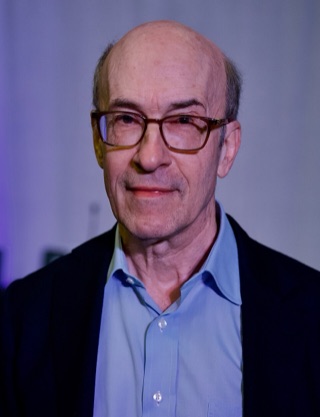 |
Kenneth S. Rogoff Harvard University |
Macro | 1 | 6.1 |
| 25 | – | 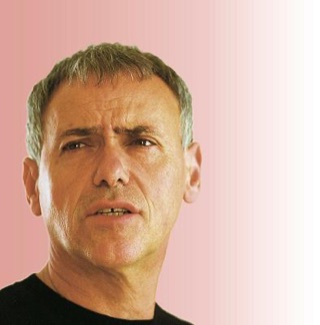 |
Ariel Rubinstein Tel Aviv University / New York University |
Theory | 1 | 6.1 |
| 25 | – | 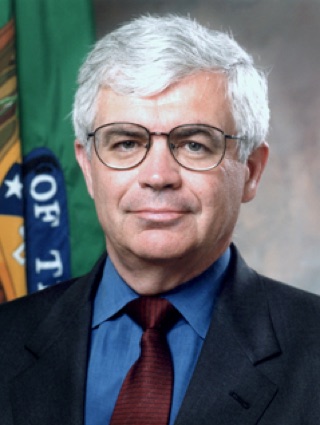 |
John B. Taylor Stanford University (Hoover Institution) |
Monetary | 1 | 6.1 |
| 25 | – | 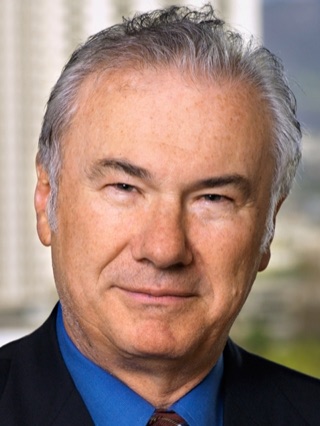 |
David J. Teece UC Berkeley |
Innovation and firms | 1 | 6.1 |
| 25 | – |  |
Gabriel Zucman Paris School of Economics / UC Berkeley |
Inequality | 1 | 6.1 |
| 77 | – |  |
Tim Besley London School of Economics |
Development | 1 | 4.5 |
| 78 | – | David Weil Brown University |
Growth | 1 | 3.6 | |
| 79 | – |  |
Andreu Mas-Colell Universitat Pompeu Fabra and Barcelona School of Economics (emeritus) |
Theory | 3 | 1.0 |
| 79 | ▲2 |  |
Luigi Zingales University of Chicago Booth School of Business |
Finance | 4 | 1.0 |
| 81 | ▼1 | Gilles Saint-Paul Paris School of Economics and École normale supérieure |
Growth | 1 | 0.9 | |
| 82 | ▼1 | Victor Chernozhukov Massachusetts Institute of Technology |
Econometrics | 1 | 0.1 | |
| 82 | ▲1 | Demian Reidel Nucleoeléctrica Argentina; former chief economic adviser to President Milei |
Macro | 1 | 0.1 | |
| 84 | ▲1 |  |
Francine Blau Cornell University |
Labor | 0 | 0.0 |
| 84 | ▲1 | Matthew Jackson Stanford University |
Theory | 0 | 0.0 | |
| 84 | – | 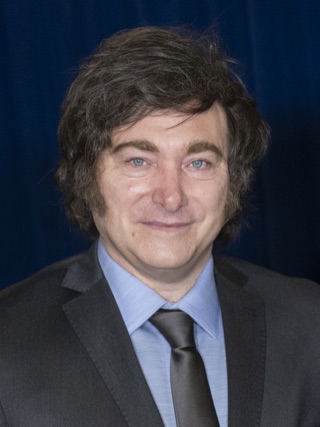 |
Javier Milei President of Argentina |
Political economy | 1 | 0.0 |