Rankings / Update
From the desk: the early coverage, and a source we are retiring
Two and a half weeks out, a model built from past winners forecasts information economics or game theory and puts Sanford Grossman first, at 4.4 percent. The IO case for Berry, Hausman and Pakes keeps getting made. Everything else is either last year's coverage or a list that includes past winners.
The desk read what exists so far. The markets and the citation counters have had their say (see this morning's Kalshi update). Here is everything else. None of it moves the board today. It is reading, not scoring.
The one real forecast: Richard Tol's model. On September 20, Richard Tol published a forecast from a model he built with coauthors that reconstructs past winners from citations, coauthors, students and the committee's habit of rotating between fields. It picks the field first: information economics, game theory, development or economic history, and less likely growth. Then it picks people, in this order: Sanford Grossman (4.4 percent), Barry Eichengreen, Robert Barro, Drew Fudenberg, Gene Grossman, Tim Besley, David Weil, Kevin Murphy, Kenneth French, and Gilles Saint-Paul (2.1 percent). He is the first to say how diffuse it is: 161 candidates, and even the leader is under one in twenty. Tol also admits he would give it to Jagdish Bhagwati and Anne Krueger, whom his own model ranks 151st and 152nd. Two things stand out to the desk. Barro is the only name on both Tol's list and Kalshi's. And the model does not have Athey, Varian, Woodford or Winter in its top ten, so the citation counters and the rotation model disagree completely.
The IO case keeps getting made. Nicholas Decker's Berry-Hausman-Pakes Should Win the Nobel Prize went up last September and was updated in March. The argument: Steven Berry, Jerry Hausman and Ariel Pakes built the tools that modern competition policy runs on. It is the prize the online conversation argues for most by name, and Pakes is also Kalshi's biggest single bet this season. Tol's model does not rate it: IO is not in its favored fields this year.
Last year's names, still circulating. Before the 2025 announcement, AFP's roundup tipped AI and inequality: Erik Brynjolfsson, Susan Athey, Marianne Bertrand with Sendhil Mullainathan, Saez, Piketty and Zucman, and the behavioral trio of Fehr, Loewenstein and Camerer. The prize went to Mokyr, Aghion and Howitt. Those names have not been retipped for 2026 in anything we can find yet, but expect the same AFP piece around October 10.
Handle with care. An "AI predictions" page still lists Acemoglu, Aghion and Duflo as 2026 contenders. All three have already won. We do not count it. Octagon's model page and the several sites that repackage Kalshi's odds add nothing that Kalshi itself does not show, and they often show the one-contract prints as though they were a price.
Retired: Cheap Talk. We listed the Kellogg blog's prediction pool as a source. The blog's newest post is from September 2019, and we can find no pool since. It never contributed a number, so nothing on the board changes. It comes off the sources page today.
What the desk watches next. HSE's open prediction contest usually opens in late September or early October. Tyler Cowen posts his list close to the day. Bookmaker odds for economics, if they come at all, come in the last two weeks. We check all three on October 1.
The board after this update
Contenders Strong work, right age, right timing.
| # | Candidate | Field | Sources | Score | ||
|---|---|---|---|---|---|---|
| 1 | – | 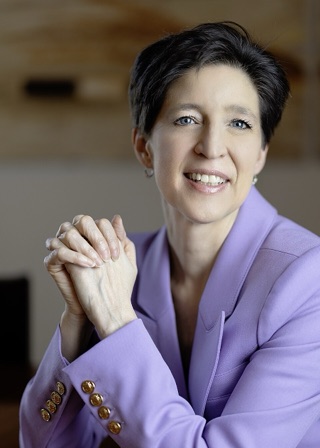 |
Susan C. Athey Stanford Graduate School of Business |
Market design | 2 | 51.0 |
| 2 | – |  |
Hal R. Varian University of California, Berkeley (emeritus); formerly Chief Economist, Google |
Market design | 1 | 42.9 |
| 2 | – | Sidney G. Winter The Wharton School, University of Pennsylvania (emeritus) |
Innovation and firms | 1 | 42.9 | |
| 2 | – | Michael D. Woodford Columbia University |
Monetary | 1 | 42.9 |
Darkhorses Respected, lower probability, could surprise.
| # | Candidate | Field | Sources | Score | ||
|---|---|---|---|---|---|---|
| 5 | – | Ariel Pakes Harvard University |
Industrial organization | 2 | 23.7 | |
| 6 | – | Robert J. Barro Harvard University |
Macro | 2 | 19.0 | |
| 6 | – | 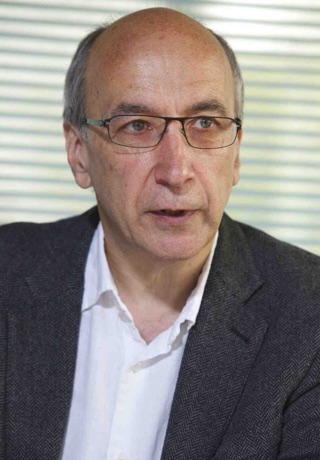 |
Richard Blundell University College London / Institute for Fiscal Studies |
Labor | 2 | 19.0 |
| 8 | – | 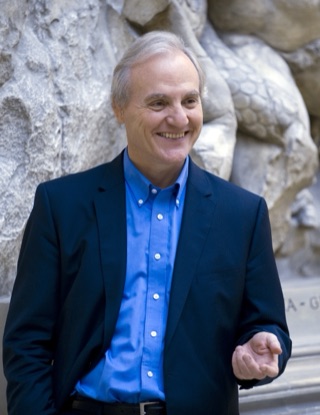 |
Ernst Fehr University of Zurich |
Behavioral | 2 | 18.6 |
| 9 | – | 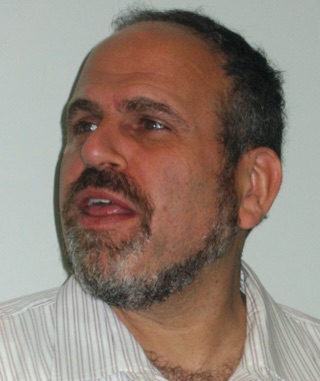 |
Matthew Rabin Harvard University |
Behavioral | 2 | 18.1 |
| 10 | – | 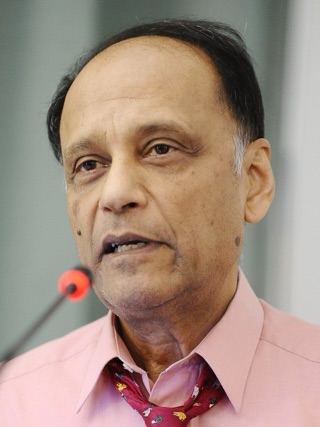 |
Partha Dasgupta University of Cambridge |
Environment | 2 | 16.9 |
The Field On our radar. The live sources are not pricing them.
| # | Candidate | Field | Sources | Score | ||
|---|---|---|---|---|---|---|
| 11 | – | Manuel Arellano CEMFI, Madrid |
Econometrics | 1 | 14.3 | |
| 11 | – | 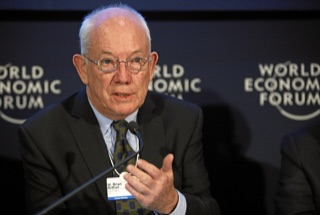 |
W. Brian Arthur Santa Fe Institute |
Innovation and firms | 1 | 14.3 |
| 11 | – | David B. Audretsch Indiana University |
Innovation and firms | 1 | 14.3 | |
| 11 | – | 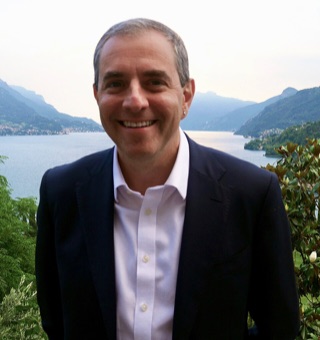 |
David Autor MIT |
Labor | 1 | 14.3 |
| 11 | – | Steven T. Berry Yale University |
Industrial organization | 1 | 14.3 | |
| 11 | – | Marianne Bertrand University of Chicago Booth School of Business |
Labor | 1 | 14.3 | |
| 11 | – | 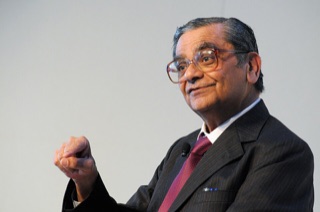 |
Jagdish Bhagwati Columbia University |
Trade | 1 | 14.3 |
| 11 | – | 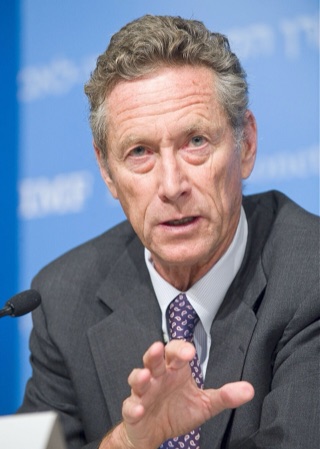 |
Olivier Blanchard Peterson Institute for International Economics / MIT |
Macro | 1 | 14.3 |
| 11 | – | 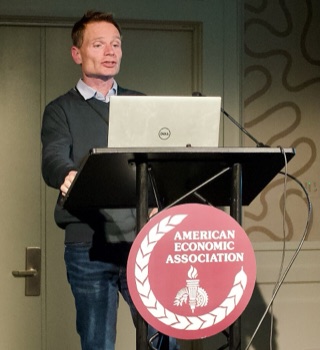 |
Nicholas Bloom Stanford University |
Macro | 1 | 14.3 |
| 11 | – | Steve Bond University of Oxford |
Econometrics | 1 | 14.3 | |
| 11 | – | 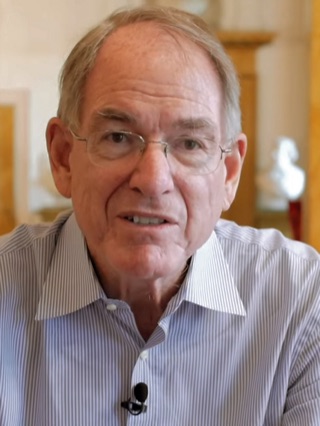 |
Samuel Bowles Santa Fe Institute |
Behavioral | 1 | 14.3 |
| 11 | – | Colin Camerer California Institute of Technology |
Behavioral | 1 | 14.3 | |
| 11 | – | 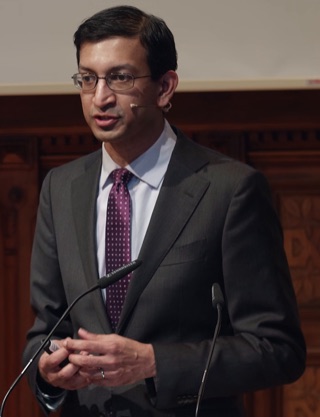 |
Raj Chetty Harvard University |
Public economics | 1 | 14.3 |
| 11 | – | 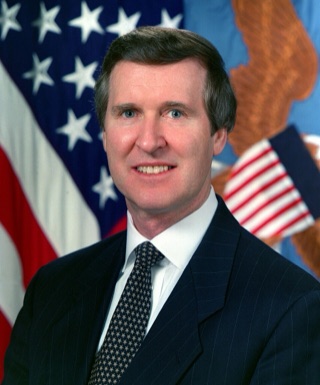 |
Wesley M. Cohen Duke University, Fuqua School of Business |
Innovation and firms | 1 | 14.3 |
| 11 | – | 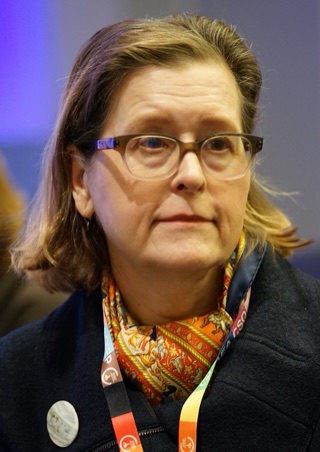 |
Janet Currie Princeton University |
Public economics | 1 | 14.3 |
| 11 | – | David A. Dickey North Carolina State University |
Econometrics | 1 | 14.3 | |
| 11 | – | 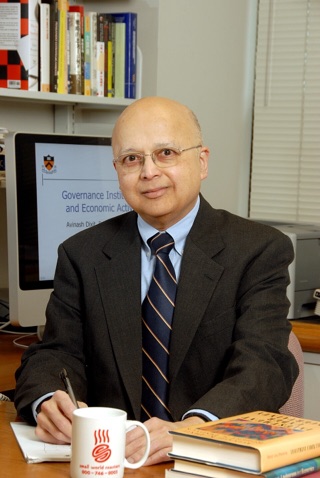 |
Avinash K. Dixit Princeton University |
Trade | 1 | 14.3 |
| 11 | – | Kenneth R. French Dartmouth College (Tuck School of Business) |
Finance | 1 | 14.3 | |
| 11 | – | Wayne A. Fuller Iowa State University |
Econometrics | 1 | 14.3 | |
| 11 | – | 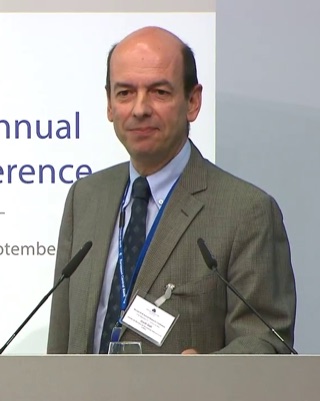 |
Jordi Galí CREI, Universitat Pompeu Fabra, Barcelona School of Economics |
Monetary | 1 | 14.3 |
| 11 | – | 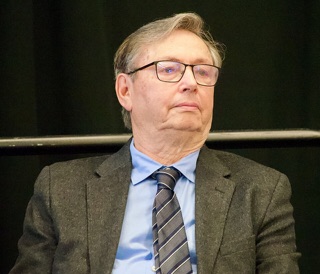 |
Mark Gertler New York University |
Monetary | 1 | 14.3 |
| 11 | – | 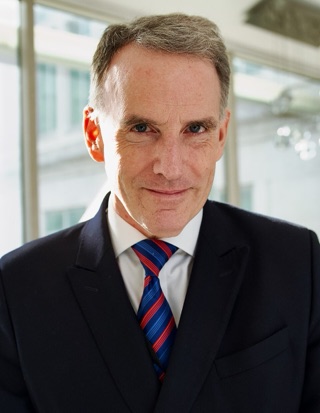 |
Edward Glaeser Harvard University |
Growth | 1 | 14.3 |
| 11 | – | Mark Granovetter Stanford University |
Theory | 1 | 14.3 | |
| 11 | – | Gene M. Grossman Princeton University |
Trade | 1 | 14.3 | |
| 11 | – | 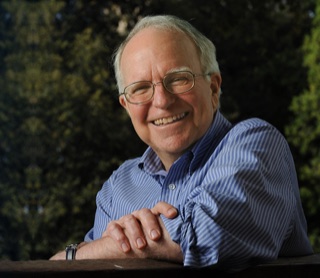 |
Robert E. Hall Stanford University / Hoover Institution |
Macro | 1 | 14.3 |
| 11 | – | Jerry A. Hausman Massachusetts Institute of Technology |
Econometrics | 1 | 14.3 | |
| 11 | – | 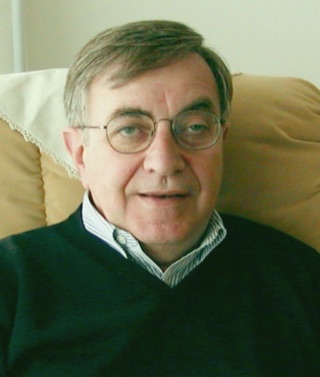 |
Elhanan Helpman Harvard University |
Trade | 1 | 14.3 |
| 11 | – | David Forbes Hendry University of Oxford |
Econometrics | 1 | 14.3 | |
| 11 | – | Søren Johansen University of Copenhagen |
Econometrics | 1 | 14.3 | |
| 11 | – | Katarina Juselius University of Copenhagen |
Econometrics | 1 | 14.3 | |
| 11 | – | 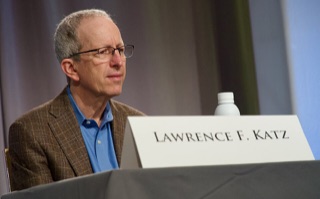 |
Lawrence F. Katz Harvard University |
Labor | 1 | 14.3 |
| 11 | – | 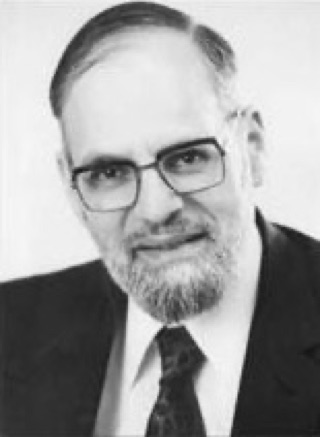 |
Israel M. Kirzner New York University |
Theory | 1 | 14.3 |
| 11 | – | 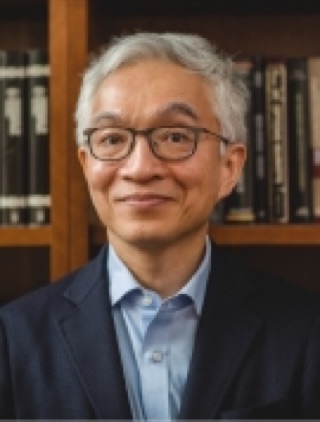 |
Nobuhiro Kiyotaki Princeton University |
Macro | 1 | 14.3 |
| 11 | – | David M. Kreps Stanford Graduate School of Business |
Theory | 1 | 14.3 | |
| 11 | – | 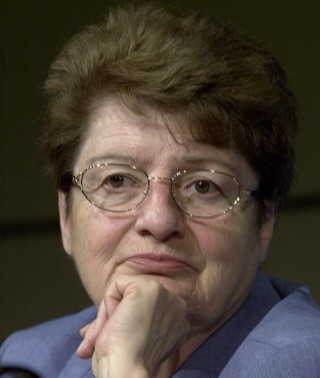 |
Anne Osborn Krueger Johns Hopkins University |
Political economy | 1 | 14.3 |
| 11 | – | 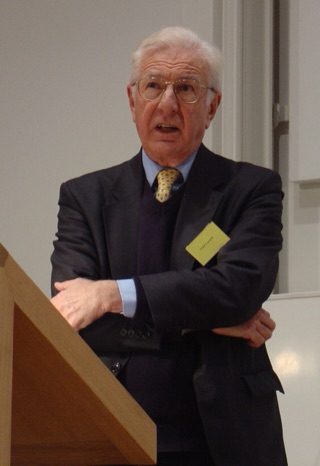 |
Richard Layard London School of Economics |
Behavioral | 1 | 14.3 |
| 11 | – | James A. Levinsohn Yale University |
Industrial organization | 1 | 14.3 | |
| 11 | – | 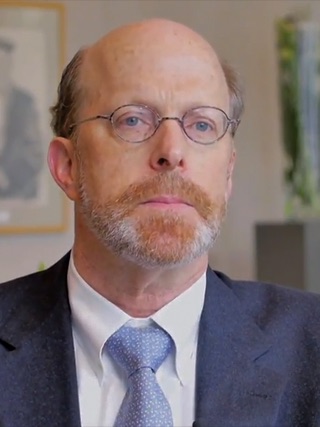 |
Daniel A. Levinthal University of Pennsylvania, Wharton School |
Innovation and firms | 1 | 14.3 |
| 11 | – |  |
John A. List University of Chicago |
Behavioral | 1 | 14.3 |
| 11 | – | 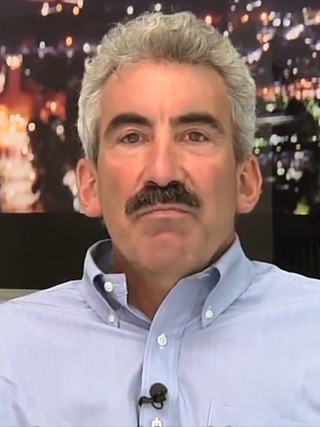 |
George Loewenstein Carnegie Mellon University |
Behavioral | 1 | 14.3 |
| 11 | – | Charles F. Manski Northwestern University |
Econometrics | 1 | 14.3 | |
| 11 | – | Paolo Mauro International Finance Corporation |
Political economy | 1 | 14.3 | |
| 11 | – | Marc Melitz Harvard University |
Trade | 1 | 14.3 | |
| 11 | – | John H. Moore University of Edinburgh |
Theory | 1 | 14.3 | |
| 11 | – | 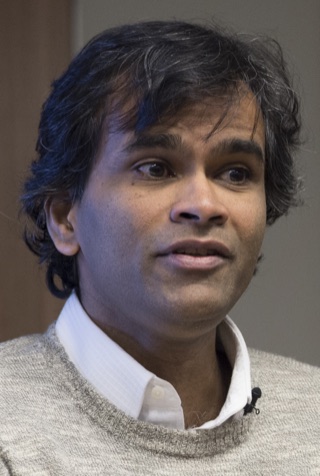 |
Sendhil Mullainathan MIT |
Behavioral | 1 | 14.3 |
| 11 | – | Kevin M. Murphy University of Chicago Booth School of Business |
Labor | 1 | 14.3 | |
| 11 | – | Stewart C. Myers MIT Sloan School of Management |
Finance | 1 | 14.3 | |
| 11 | – | 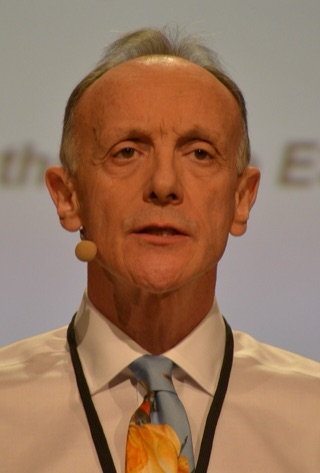 |
Andrew J. Oswald University of Warwick |
Behavioral | 1 | 14.3 |
| 11 | – | Sam Peltzman University of Chicago Booth School of Business |
Industrial organization | 1 | 14.3 | |
| 11 | – | Pierre Perron Boston University |
Econometrics | 1 | 14.3 | |
| 11 | – | M. Hashem Pesaran University of Southern California |
Econometrics | 1 | 14.3 | |
| 11 | – | Peter C. B. Phillips Yale University |
Econometrics | 1 | 14.3 | |
| 11 | – | 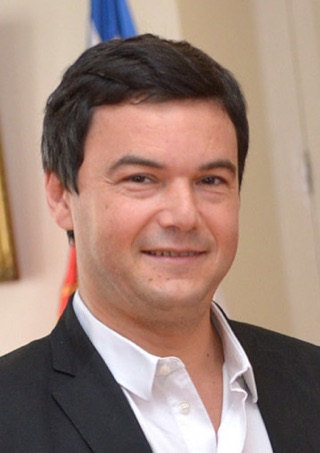 |
Thomas Piketty Paris School of Economics |
Inequality | 1 | 14.3 |
| 11 | – | 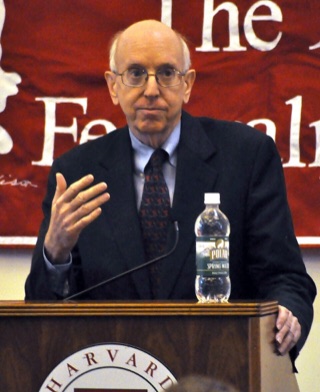 |
Richard Posner University of Chicago Law School |
Industrial organization | 1 | 14.3 |
| 11 | – | 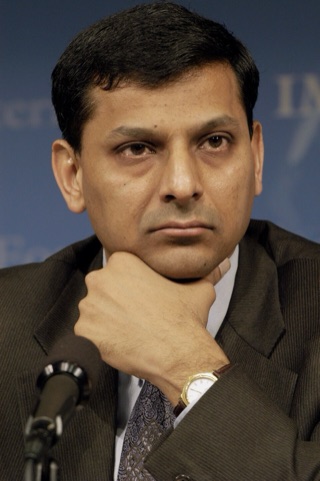 |
Raghuram Rajan University of Chicago Booth School of Business |
Finance | 1 | 14.3 |
| 11 | – | 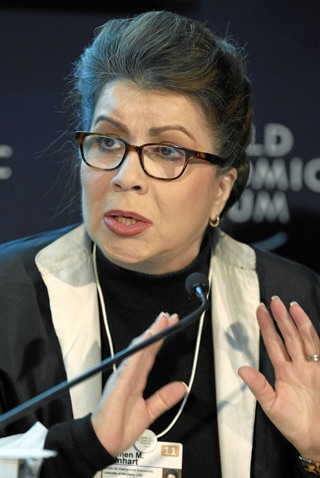 |
Carmen M. Reinhart Harvard Kennedy School |
Macro | 1 | 14.3 |
| 11 | – | 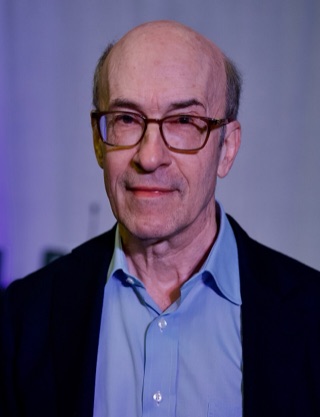 |
Kenneth S. Rogoff Harvard University |
Macro | 1 | 14.3 |
| 11 | – | 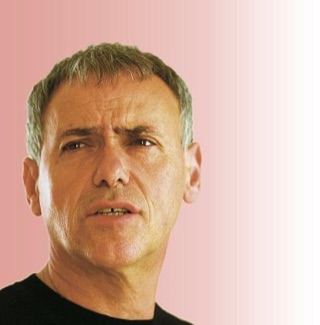 |
Ariel Rubinstein Tel Aviv University / New York University |
Theory | 1 | 14.3 |
| 11 | – | 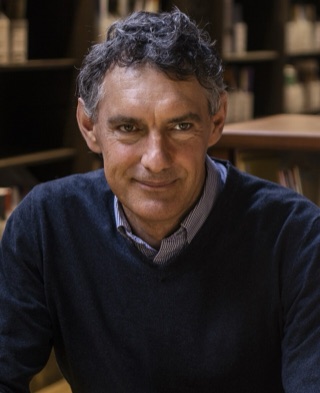 |
Emmanuel Saez UC Berkeley |
Inequality | 1 | 14.3 |
| 11 | – | 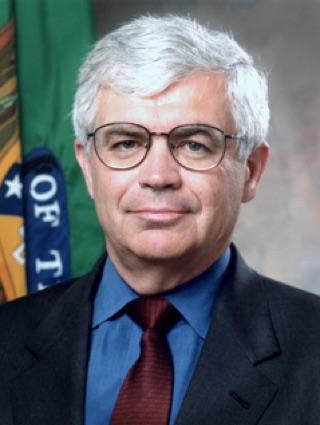 |
John B. Taylor Stanford University (Hoover Institution) |
Monetary | 1 | 14.3 |
| 11 | – | 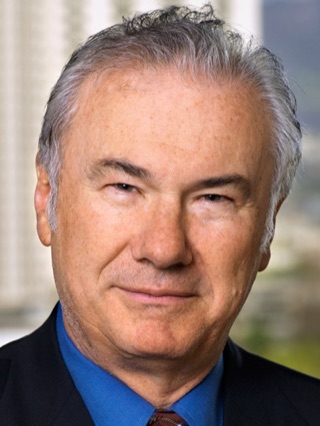 |
David J. Teece UC Berkeley |
Innovation and firms | 1 | 14.3 |
| 11 | – | 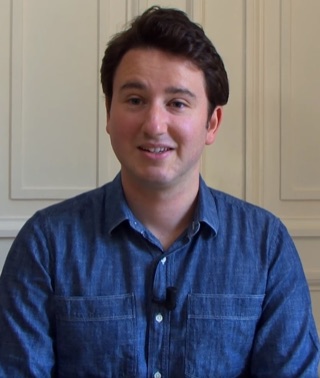 |
Gabriel Zucman Paris School of Economics / UC Berkeley |
Inequality | 1 | 14.3 |
| 73 | – | 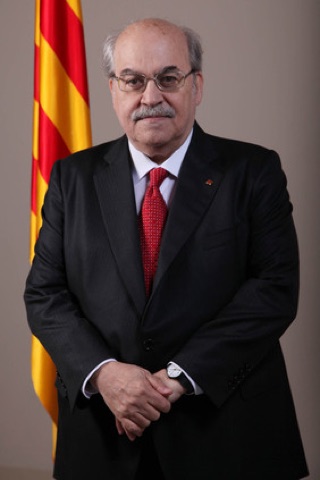 |
Andreu Mas-Colell Universitat Pompeu Fabra and Barcelona School of Economics (emeritus) |
Theory | 1 | 4.3 |
| 74 | – | 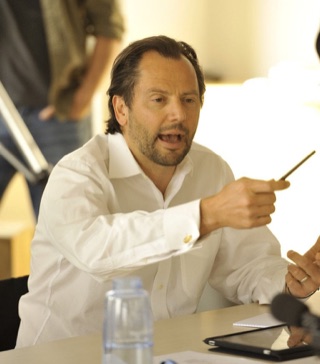 |
Luigi Zingales University of Chicago Booth School of Business |
Finance | 1 | 2.6 |