Rankings / Update
Pakes consolidates, and a quiet 500-lot lands on Mas-Colell
A week from the announcement, the Kalshi market concentrated on Ariel Pakes, who climbed to 32 cents on steady buying and a single 500-contract order. Robert Barro emerged as a clear third at 11. Susan Athey holds second at 15 on tiny, choppy trades. And a 500-contract print landed on Andreu Mas-Colell at 6 cents without moving the price.
A week from the announcement, the Kalshi market did what it had been hinting at for two weeks. It concentrated on one name.
Pakes. Ariel Pakes opened the week at 24 to 25 cents and climbed every day on real buying: 73 contracts at 26 on Friday, 66 at 27 on Saturday, and then, overnight into Monday, a single 500-contract buy at 28, by far the largest trade of the season. His last trade is 32. His 2,238 contracts of open interest are the most on the board, and his is the only name a buyer has pushed higher four days running. Close to a third of the market's money now sits on one economist.
Athey. Susan Athey is still second and still choppy. She was sold back to 9 on a 102-contract hit Friday, then bought up to 15 and 16 over the weekend in ones and fours. She reads 15, on a 10-bid, 16-ask book. She holds the second-largest open interest on the market, but the trades moving her are tiny, and nobody has built the kind of position Pakes now carries.
Barro climbs. Robert Barro is the week's other mover. Someone dumped 300 contracts at 7 on Thursday, the price absorbed it, and over the weekend buyers took him to 10 and then 11. He is a clear third now, though the book behind him is thin: 3 bid, 11 ask.
A 500-lot on Mas-Colell. The odd print of the weekend belongs to Andreu Mas-Colell: 500 contracts at 6 cents early Monday, almost his entire season of volume in a single trade, and the price did not move. At 6 cents it is a cheap ticket. Somebody wanted 500 of them, or wanted out of 500. Either way it is the first real size on a name that had traded in single digits all season.
The round trip closed. Richard Blundell's 168-contract buy at 14 and matching 168-contract sale at 8, which we flagged on October 1, has fully unwound. He sits at 8 on almost no open interest. One trader in and out, no change of view, as we guessed.
The rest of the board barely moved. Partha Dasgupta, Ernst Fehr and Mas-Colell sit at 6, Matthew Rabin at 5, Luigi Zingales at 2 on open interest left over from his late-September round trip.
The other markets, still quiet. Polymarket lists no economics market at all, only Peace, though economists are now publicly asking it to open one; if it does, it would instantly be the largest book on this prize. Manifold has nothing per-candidate either, only a market on whether a US citizen wins, sitting near 87 percent. HSE's prediction contest is open and closes October 12, and a second academic contest, at Tomas Bata University in Zlin, is taking public guesses through October 11. A site called Prophet Arena is overlaying AI-model forecasts on the same nine Kalshi names; an AI model from Octagon also puts Pakes first, at a much lower 7.5 percent.
What the forecasters are saying. Away from the markets, the economists who publish annual picks are converging on three themes. Scott Cunningham's October 1 list leads with skill-biased technological change (David Autor and Lawrence Katz), then machine-learning econometrics (Athey and Victor Chernozhukov), then demand estimation (Steven Berry, James Levinsohn and Pakes). Nicholas Decker and Maia Mindel both land on the same industrial-organization group built around Pakes, and Decker's headline pick is a trade prize for Sam Kortum and Marc Melitz, which can no longer include Jonathan Eaton of the Eaton-Kortum model, who died in 2024. The throughline worth marking: Pakes is the one name that shows up in both the betting and the forecasting, which is why the market can pile onto him without much argument. Last year's prize went to growth (Mokyr, Aghion, Howitt), so most lists treat growth as spent for a while.
One caution for secondhand readers. A few aggregators are circulating an "Athey 30, Pakes 25" line this week. The live Kalshi book does not support it: as of this writing Pakes is at 32 and Athey at 15. Secondhand Nobel numbers lag, and a market this small is already wrong a day later.
The prize is announced Monday, October 12, at 11:45 CEST at the earliest, the last of the 2026 announcements.
The board after this update
Contenders Strong work, right age, right timing.
| # | Candidate | Field | Sources | Score | ||
|---|---|---|---|---|---|---|
| 1 | – | 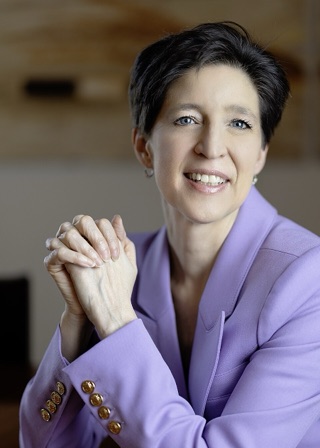 |
Susan C. Athey Stanford Graduate School of Business |
Market design | 2 | 49.3 |
| 2 | – |  |
Hal R. Varian University of California, Berkeley (emeritus); formerly Chief Economist, Google |
Market design | 1 | 42.9 |
| 2 | – | Sidney G. Winter The Wharton School, University of Pennsylvania (emeritus) |
Innovation and firms | 1 | 42.9 | |
| 2 | – | Michael D. Woodford Columbia University |
Monetary | 1 | 42.9 |
Darkhorses Respected, lower probability, could surprise.
| # | Candidate | Field | Sources | Score | ||
|---|---|---|---|---|---|---|
| 5 | – | Ariel Pakes Harvard University |
Industrial organization | 2 | 28.0 | |
| 6 | ▲1 | Robert J. Barro Harvard University |
Macro | 2 | 19.0 | |
| 7 | ▼1 | 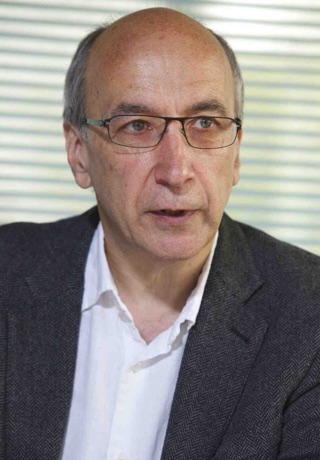 |
Richard Blundell University College London / Institute for Fiscal Studies |
Labor | 2 | 17.7 |
| 8 | – | 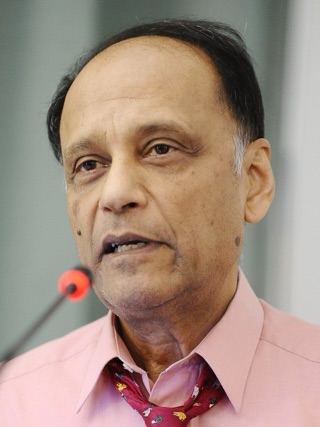 |
Partha Dasgupta University of Cambridge |
Environment | 2 | 16.9 |
| 8 | – | 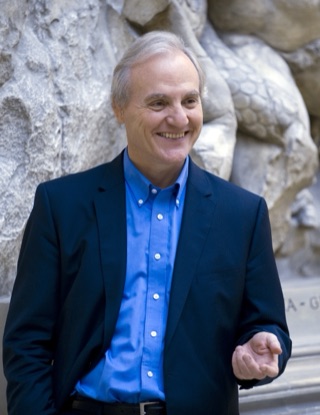 |
Ernst Fehr University of Zurich |
Behavioral | 2 | 16.9 |
| 10 | – | 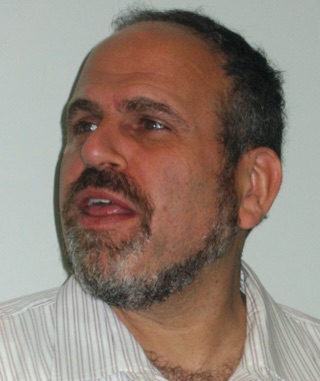 |
Matthew Rabin Harvard University |
Behavioral | 2 | 16.4 |
The Field On our radar. The live sources are not pricing them.
| # | Candidate | Field | Sources | Score | ||
|---|---|---|---|---|---|---|
| 11 | – | Manuel Arellano CEMFI, Madrid |
Econometrics | 1 | 14.3 | |
| 11 | – | 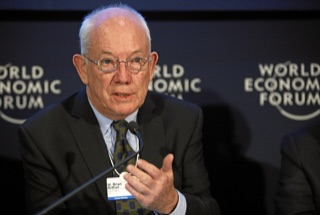 |
W. Brian Arthur Santa Fe Institute |
Innovation and firms | 1 | 14.3 |
| 11 | – | David B. Audretsch Indiana University |
Innovation and firms | 1 | 14.3 | |
| 11 | – | 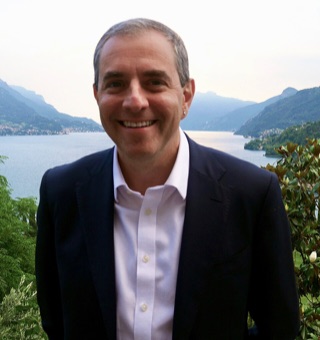 |
David Autor MIT |
Labor | 1 | 14.3 |
| 11 | – | Steven T. Berry Yale University |
Industrial organization | 1 | 14.3 | |
| 11 | – | Marianne Bertrand University of Chicago Booth School of Business |
Labor | 1 | 14.3 | |
| 11 | – | 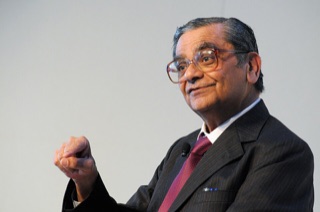 |
Jagdish Bhagwati Columbia University |
Trade | 1 | 14.3 |
| 11 | – | 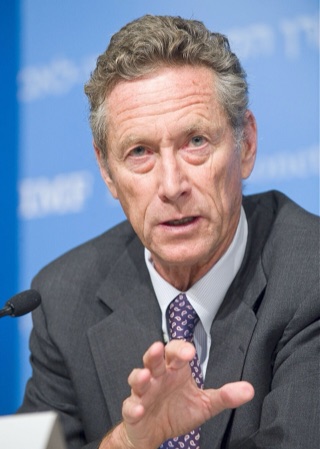 |
Olivier Blanchard Peterson Institute for International Economics / MIT |
Macro | 1 | 14.3 |
| 11 | – | 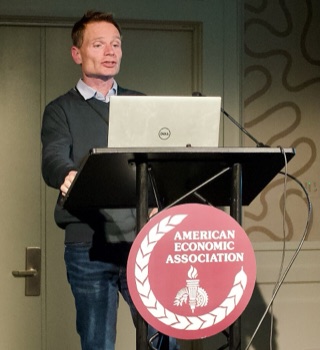 |
Nicholas Bloom Stanford University |
Macro | 1 | 14.3 |
| 11 | – | Steve Bond University of Oxford |
Econometrics | 1 | 14.3 | |
| 11 | – | 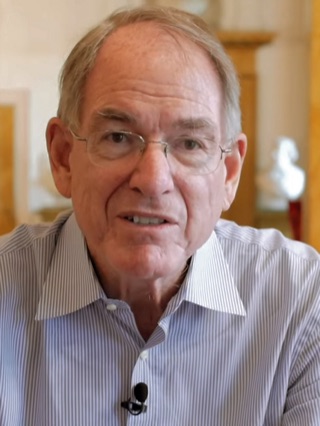 |
Samuel Bowles Santa Fe Institute |
Behavioral | 1 | 14.3 |
| 11 | – | Colin Camerer California Institute of Technology |
Behavioral | 1 | 14.3 | |
| 11 | – | 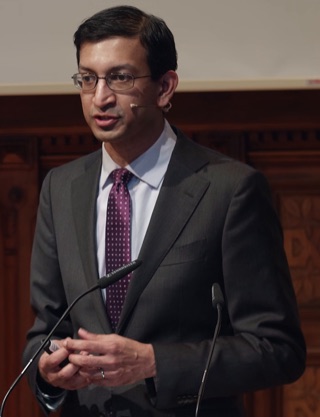 |
Raj Chetty Harvard University |
Public economics | 1 | 14.3 |
| 11 | – | 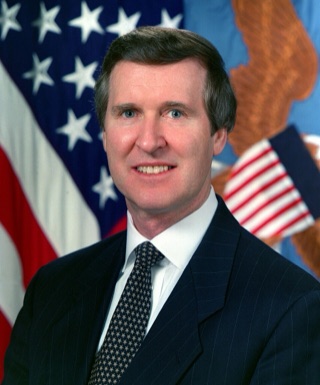 |
Wesley M. Cohen Duke University, Fuqua School of Business |
Innovation and firms | 1 | 14.3 |
| 11 | – | 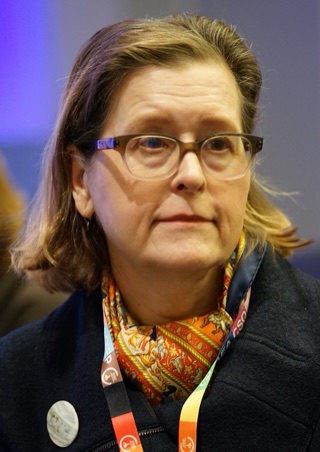 |
Janet Currie Princeton University |
Public economics | 1 | 14.3 |
| 11 | – | David A. Dickey North Carolina State University |
Econometrics | 1 | 14.3 | |
| 11 | – | 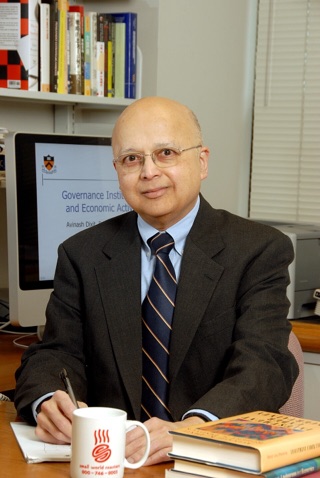 |
Avinash K. Dixit Princeton University |
Trade | 1 | 14.3 |
| 11 | – | Kenneth R. French Dartmouth College (Tuck School of Business) |
Finance | 1 | 14.3 | |
| 11 | – | Wayne A. Fuller Iowa State University |
Econometrics | 1 | 14.3 | |
| 11 | – | 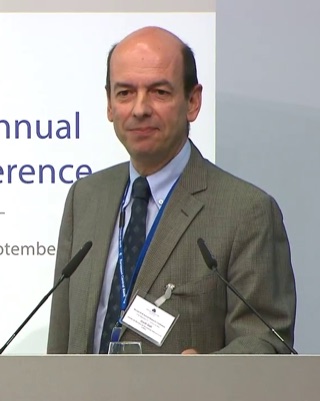 |
Jordi Galí CREI, Universitat Pompeu Fabra, Barcelona School of Economics |
Monetary | 1 | 14.3 |
| 11 | – | 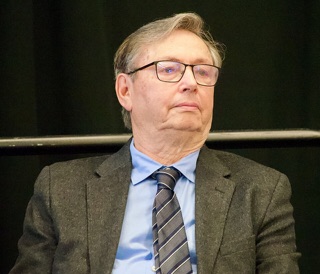 |
Mark Gertler New York University |
Monetary | 1 | 14.3 |
| 11 | – | 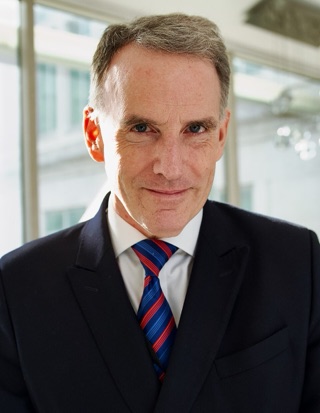 |
Edward Glaeser Harvard University |
Growth | 1 | 14.3 |
| 11 | – | Mark Granovetter Stanford University |
Theory | 1 | 14.3 | |
| 11 | – | Gene M. Grossman Princeton University |
Trade | 1 | 14.3 | |
| 11 | – | 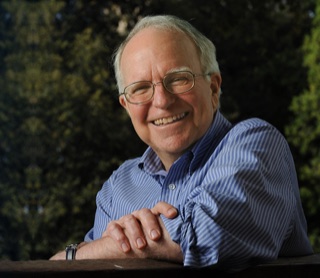 |
Robert E. Hall Stanford University / Hoover Institution |
Macro | 1 | 14.3 |
| 11 | – | Jerry A. Hausman Massachusetts Institute of Technology |
Econometrics | 1 | 14.3 | |
| 11 | – | 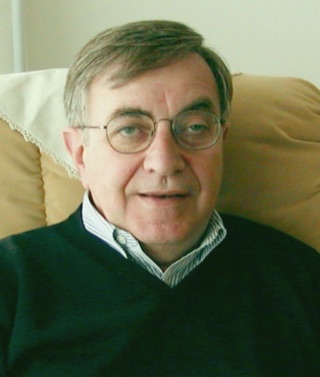 |
Elhanan Helpman Harvard University |
Trade | 1 | 14.3 |
| 11 | – | David Forbes Hendry University of Oxford |
Econometrics | 1 | 14.3 | |
| 11 | – | Søren Johansen University of Copenhagen |
Econometrics | 1 | 14.3 | |
| 11 | – | Katarina Juselius University of Copenhagen |
Econometrics | 1 | 14.3 | |
| 11 | – | 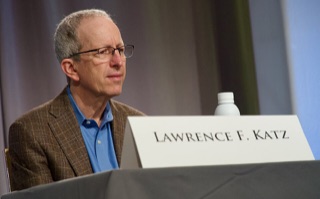 |
Lawrence F. Katz Harvard University |
Labor | 1 | 14.3 |
| 11 | – | 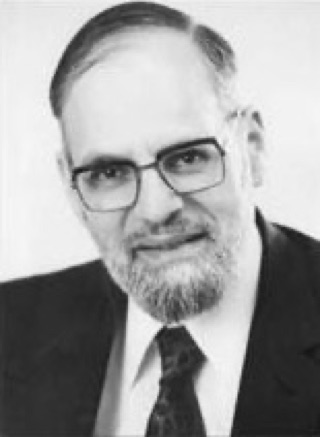 |
Israel M. Kirzner New York University |
Theory | 1 | 14.3 |
| 11 | – | 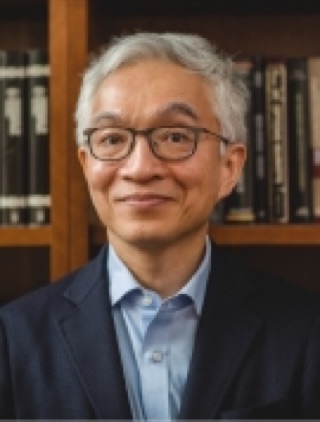 |
Nobuhiro Kiyotaki Princeton University |
Macro | 1 | 14.3 |
| 11 | – | David M. Kreps Stanford Graduate School of Business |
Theory | 1 | 14.3 | |
| 11 | – | 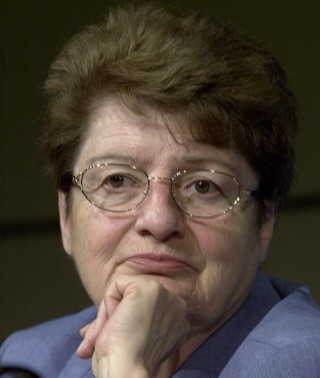 |
Anne Osborn Krueger Johns Hopkins University |
Political economy | 1 | 14.3 |
| 11 | – | 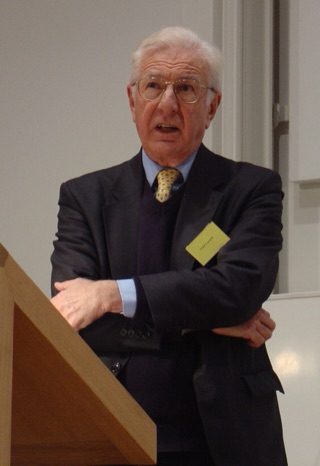 |
Richard Layard London School of Economics |
Behavioral | 1 | 14.3 |
| 11 | – | James A. Levinsohn Yale University |
Industrial organization | 1 | 14.3 | |
| 11 | – |  |
Daniel A. Levinthal University of Pennsylvania, Wharton School |
Innovation and firms | 1 | 14.3 |
| 11 | – |  |
John A. List University of Chicago |
Behavioral | 1 | 14.3 |
| 11 | – | 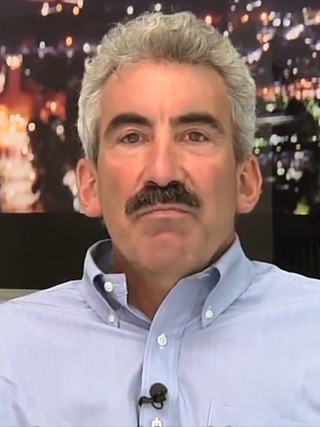 |
George Loewenstein Carnegie Mellon University |
Behavioral | 1 | 14.3 |
| 11 | – | Charles F. Manski Northwestern University |
Econometrics | 1 | 14.3 | |
| 11 | – | Paolo Mauro International Finance Corporation |
Political economy | 1 | 14.3 | |
| 11 | – | Marc Melitz Harvard University |
Trade | 1 | 14.3 | |
| 11 | – | John H. Moore University of Edinburgh |
Theory | 1 | 14.3 | |
| 11 | – | 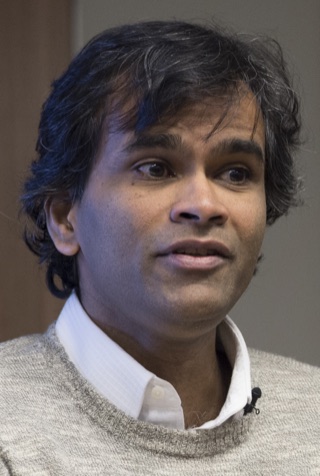 |
Sendhil Mullainathan MIT |
Behavioral | 1 | 14.3 |
| 11 | – | Kevin M. Murphy University of Chicago Booth School of Business |
Labor | 1 | 14.3 | |
| 11 | – | Stewart C. Myers MIT Sloan School of Management |
Finance | 1 | 14.3 | |
| 11 | – | 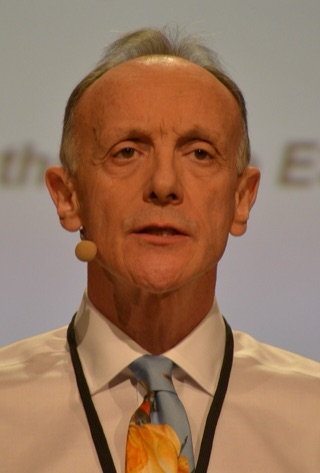 |
Andrew J. Oswald University of Warwick |
Behavioral | 1 | 14.3 |
| 11 | – | Sam Peltzman University of Chicago Booth School of Business |
Industrial organization | 1 | 14.3 | |
| 11 | – | Pierre Perron Boston University |
Econometrics | 1 | 14.3 | |
| 11 | – | M. Hashem Pesaran University of Southern California |
Econometrics | 1 | 14.3 | |
| 11 | – | Peter C. B. Phillips Yale University |
Econometrics | 1 | 14.3 | |
| 11 | – | 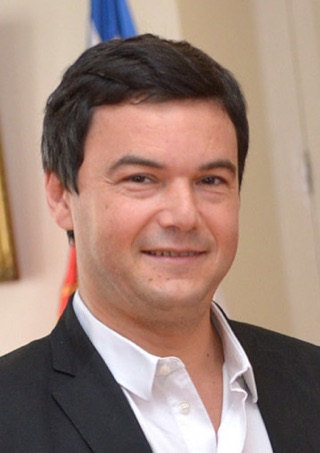 |
Thomas Piketty Paris School of Economics |
Inequality | 1 | 14.3 |
| 11 | – | 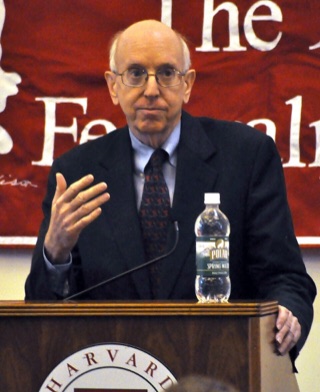 |
Richard Posner University of Chicago Law School |
Industrial organization | 1 | 14.3 |
| 11 | – | 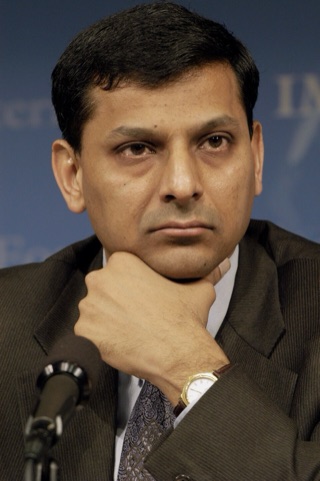 |
Raghuram Rajan University of Chicago Booth School of Business |
Finance | 1 | 14.3 |
| 11 | – | 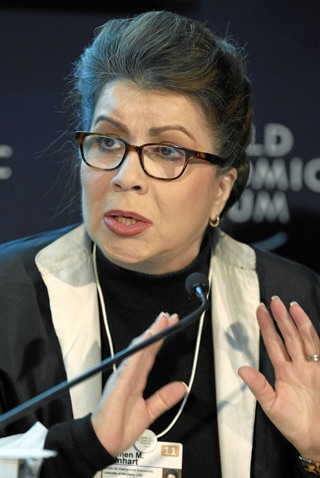 |
Carmen M. Reinhart Harvard Kennedy School |
Macro | 1 | 14.3 |
| 11 | – | 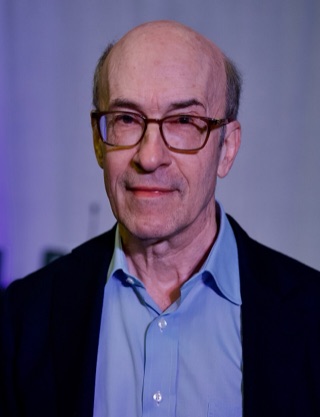 |
Kenneth S. Rogoff Harvard University |
Macro | 1 | 14.3 |
| 11 | – | 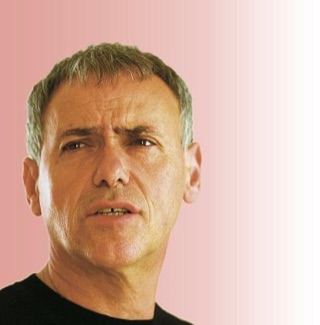 |
Ariel Rubinstein Tel Aviv University / New York University |
Theory | 1 | 14.3 |
| 11 | – | 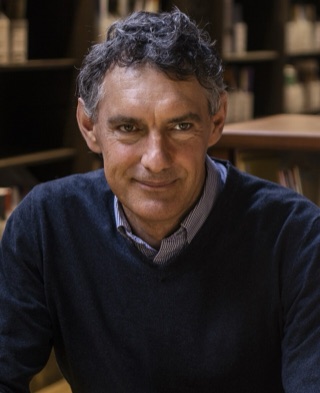 |
Emmanuel Saez UC Berkeley |
Inequality | 1 | 14.3 |
| 11 | – | 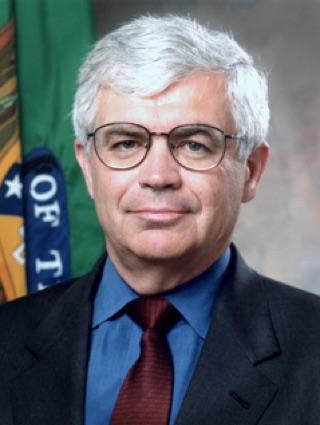 |
John B. Taylor Stanford University (Hoover Institution) |
Monetary | 1 | 14.3 |
| 11 | – | 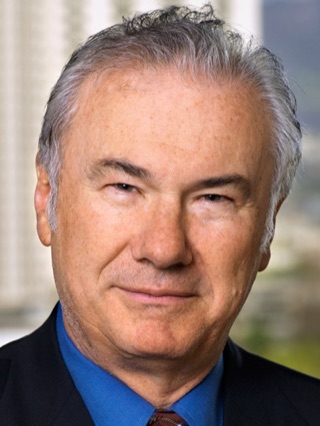 |
David J. Teece UC Berkeley |
Innovation and firms | 1 | 14.3 |
| 11 | – | 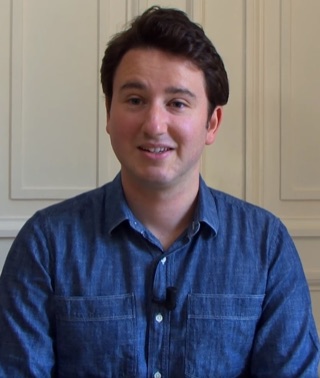 |
Gabriel Zucman Paris School of Economics / UC Berkeley |
Inequality | 1 | 14.3 |
| 73 | – | 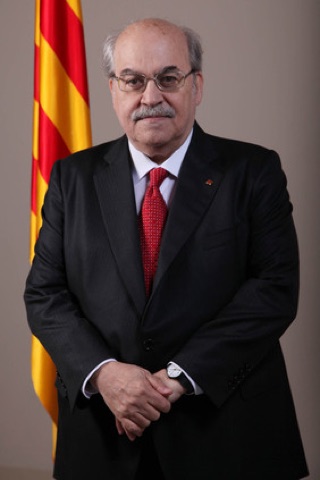 |
Andreu Mas-Colell Universitat Pompeu Fabra and Barcelona School of Economics (emeritus) |
Theory | 1 | 2.6 |
| 74 | – | 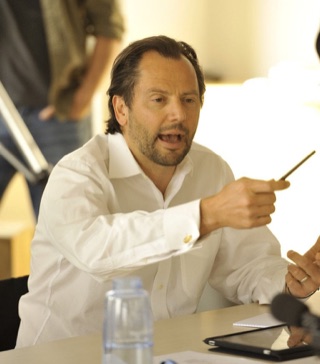 |
Luigi Zingales University of Chicago Booth School of Business |
Finance | 1 | 0.9 |