Rankings / Update
Pakes pulls ahead, and Athey's 60 unwinds
Eleven days out, Ariel Pakes leads Kalshi at 24 cents on steady buying and a two-cent spread. Susan Athey's 60-cent print from last week has unwound to 15. Every name on the market has now traded. HSE's contest is open with no tally until the prize, Cowen has named nobody, and there is still no bookmaker or Polymarket market for economics.
Last week the Kalshi market jumped around on a handful of contracts. This week it settled, and it settled on one name.
Pakes. Ariel Pakes ended last Thursday at 18, the bottom of a midnight selloff. Since Friday buyers have taken him at 22, 23 and 24 again and again, the biggest a 70-contract fill at 23 on Tuesday. His spread has closed from 15/22 to 22/24. That is the tightest book on the market, and the first time this season a price has held for days on real volume.
Athey. Susan Athey's 60 from last Thursday was three contracts, and it is gone. She was sold down to 8 and 9 on Monday night and bought back at 14 to 16 on Wednesday. She reads 15 on our board, which records the last trade. Her resting quote is 25 bid, 50 ask, on one contract each side, so it says almost nothing. She still has the second-largest open interest on the market, after Pakes.
The round trips. Somebody bought 168 contracts of Richard Blundell at 14 on Saturday and sold exactly 168 at 8 on Wednesday. Luigi Zingales got a burst of about 177 contracts at 6 to 9 on Sunday night, sold back to 2 within a day. Both look like one trader in and out, not a change of view.
Everyone has traded. On Monday night the sell side printed first trades, a few contracts each, for Matthew Rabin at 5, Robert Barro at 7, Ernst Fehr at 6 and Andreu Mas-Colell at 6. Under our rule they now carry a last trade instead of a quote midpoint. Those prints are tiny, and the asks above them sit at 13 or 14.
The other sources. HSE's prediction contest is open: each voter names up to three economists, and voting closes October 12 at 12:45. A correction: on September 25 we wrote that it usually opens in late September or early October. This year it opened September 21. HSE publishes no running tally, so there is nothing to score until it announces results after the prize. Tyler Cowen has so far only linked to the Kalshi market, without naming anyone. Oddschecker lists the Peace Prize and nothing for economics, Ladbrokes would not load for us, and Polymarket has a Peace market but none for economics.
The prize is announced Monday, October 12, at 11:45 CEST at the earliest, the last of the 2026 announcements.
The board after this update
Contenders Strong work, right age, right timing.
| # | Candidate | Field | Sources | Score | ||
|---|---|---|---|---|---|---|
| 1 | – | 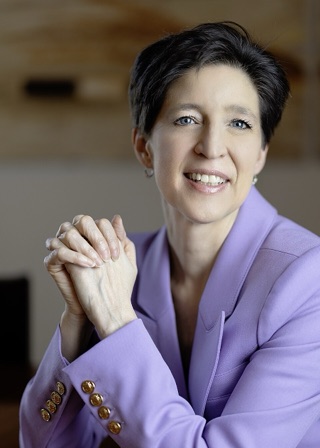 |
Susan C. Athey Stanford Graduate School of Business |
Market design | 2 | 49.3 |
| 2 | – |  |
Hal R. Varian University of California, Berkeley (emeritus); formerly Chief Economist, Google |
Market design | 1 | 42.9 |
| 2 | – | Sidney G. Winter The Wharton School, University of Pennsylvania (emeritus) |
Innovation and firms | 1 | 42.9 | |
| 2 | – | Michael D. Woodford Columbia University |
Monetary | 1 | 42.9 |
Darkhorses Respected, lower probability, could surprise.
| # | Candidate | Field | Sources | Score | ||
|---|---|---|---|---|---|---|
| 5 | – | Ariel Pakes Harvard University |
Industrial organization | 2 | 24.6 | |
| 6 | ▲3 | 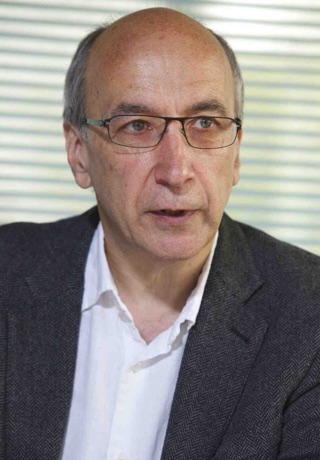 |
Richard Blundell University College London / Institute for Fiscal Studies |
Labor | 2 | 17.7 |
| 7 | ▼1 | Robert J. Barro Harvard University |
Macro | 2 | 17.3 | |
| 8 | ▲2 | 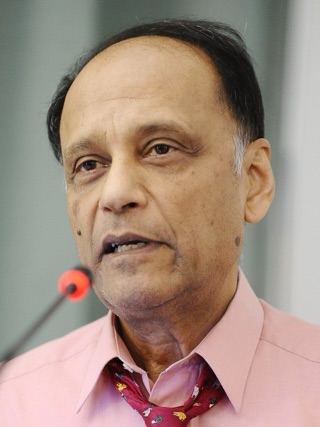 |
Partha Dasgupta University of Cambridge |
Environment | 2 | 16.9 |
| 8 | ▼1 | 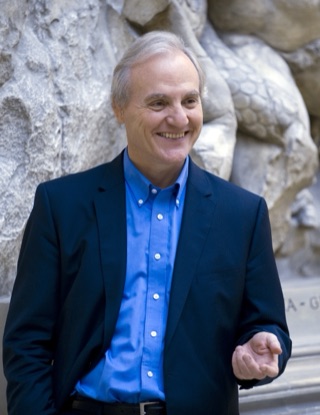 |
Ernst Fehr University of Zurich |
Behavioral | 2 | 16.9 |
| 10 | ▼2 | 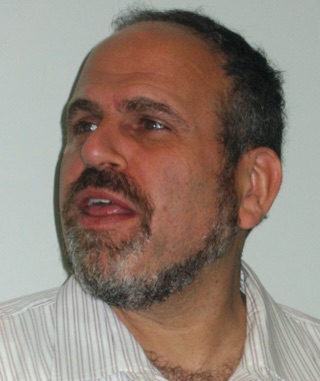 |
Matthew Rabin Harvard University |
Behavioral | 2 | 16.4 |
The Field On our radar. The live sources are not pricing them.
| # | Candidate | Field | Sources | Score | ||
|---|---|---|---|---|---|---|
| 11 | – | Manuel Arellano CEMFI, Madrid |
Econometrics | 1 | 14.3 | |
| 11 | – | 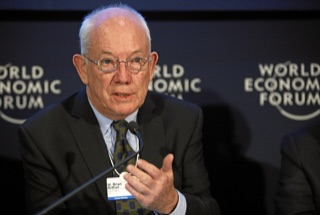 |
W. Brian Arthur Santa Fe Institute |
Innovation and firms | 1 | 14.3 |
| 11 | – | David B. Audretsch Indiana University |
Innovation and firms | 1 | 14.3 | |
| 11 | – | 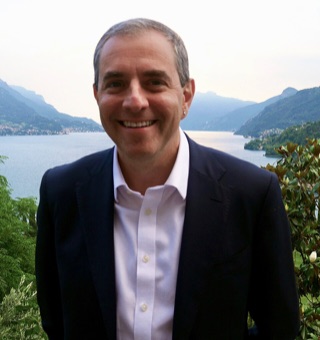 |
David Autor MIT |
Labor | 1 | 14.3 |
| 11 | – | Steven T. Berry Yale University |
Industrial organization | 1 | 14.3 | |
| 11 | – | Marianne Bertrand University of Chicago Booth School of Business |
Labor | 1 | 14.3 | |
| 11 | – | 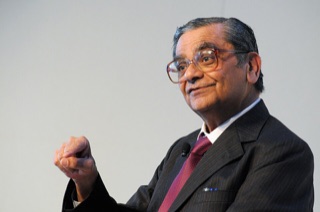 |
Jagdish Bhagwati Columbia University |
Trade | 1 | 14.3 |
| 11 | – | 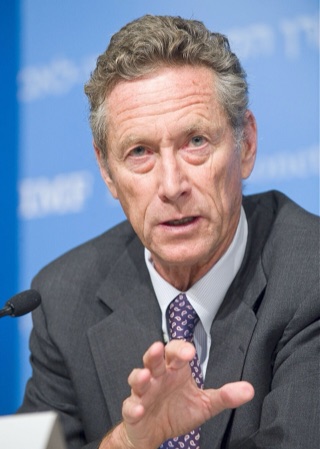 |
Olivier Blanchard Peterson Institute for International Economics / MIT |
Macro | 1 | 14.3 |
| 11 | – | 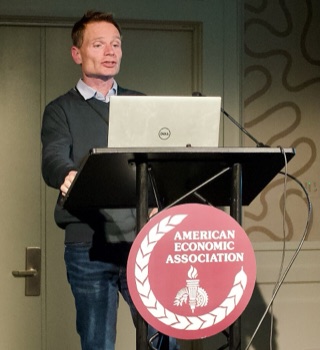 |
Nicholas Bloom Stanford University |
Macro | 1 | 14.3 |
| 11 | – | Steve Bond University of Oxford |
Econometrics | 1 | 14.3 | |
| 11 | – | 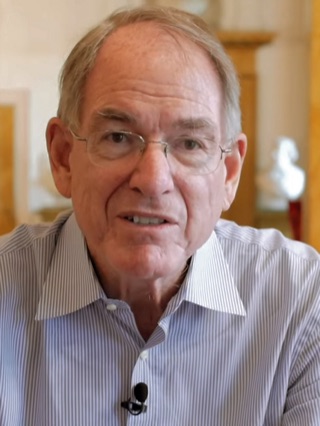 |
Samuel Bowles Santa Fe Institute |
Behavioral | 1 | 14.3 |
| 11 | – | Colin Camerer California Institute of Technology |
Behavioral | 1 | 14.3 | |
| 11 | – | 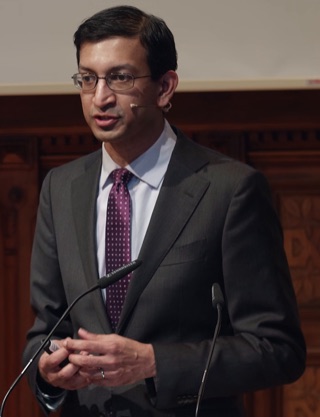 |
Raj Chetty Harvard University |
Public economics | 1 | 14.3 |
| 11 | – |  |
Wesley M. Cohen Duke University, Fuqua School of Business |
Innovation and firms | 1 | 14.3 |
| 11 | – | 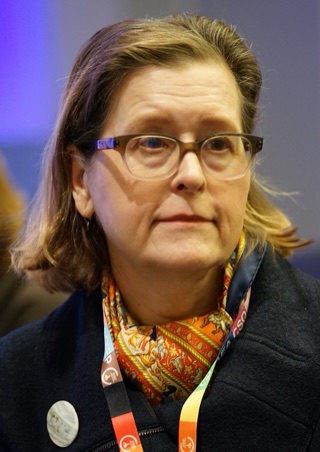 |
Janet Currie Princeton University |
Public economics | 1 | 14.3 |
| 11 | – | David A. Dickey North Carolina State University |
Econometrics | 1 | 14.3 | |
| 11 | – | 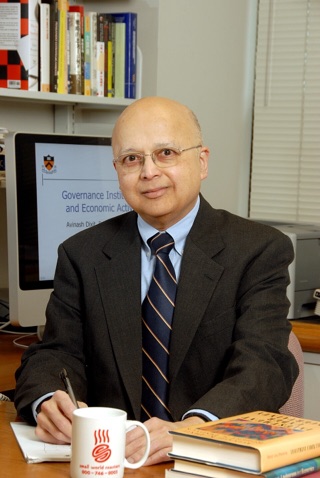 |
Avinash K. Dixit Princeton University |
Trade | 1 | 14.3 |
| 11 | – | Kenneth R. French Dartmouth College (Tuck School of Business) |
Finance | 1 | 14.3 | |
| 11 | – | Wayne A. Fuller Iowa State University |
Econometrics | 1 | 14.3 | |
| 11 | – | 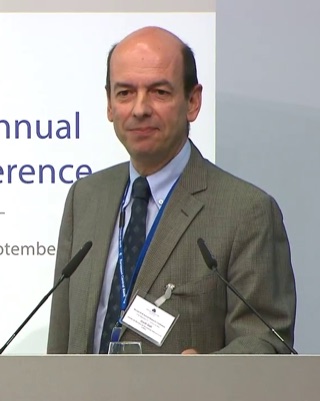 |
Jordi Galí CREI, Universitat Pompeu Fabra, Barcelona School of Economics |
Monetary | 1 | 14.3 |
| 11 | – | 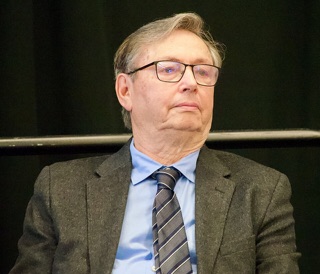 |
Mark Gertler New York University |
Monetary | 1 | 14.3 |
| 11 | – | 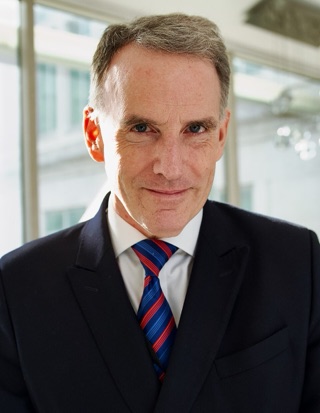 |
Edward Glaeser Harvard University |
Growth | 1 | 14.3 |
| 11 | – | Mark Granovetter Stanford University |
Theory | 1 | 14.3 | |
| 11 | – | Gene M. Grossman Princeton University |
Trade | 1 | 14.3 | |
| 11 | – | 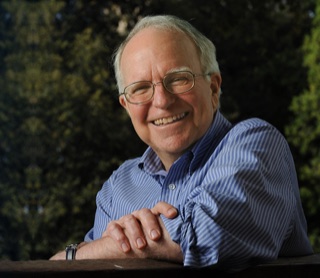 |
Robert E. Hall Stanford University / Hoover Institution |
Macro | 1 | 14.3 |
| 11 | – | Jerry A. Hausman Massachusetts Institute of Technology |
Econometrics | 1 | 14.3 | |
| 11 | – | 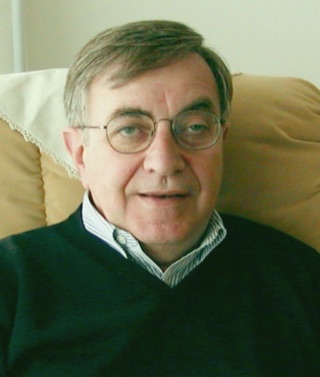 |
Elhanan Helpman Harvard University |
Trade | 1 | 14.3 |
| 11 | – | David Forbes Hendry University of Oxford |
Econometrics | 1 | 14.3 | |
| 11 | – | Søren Johansen University of Copenhagen |
Econometrics | 1 | 14.3 | |
| 11 | – | Katarina Juselius University of Copenhagen |
Econometrics | 1 | 14.3 | |
| 11 | – | 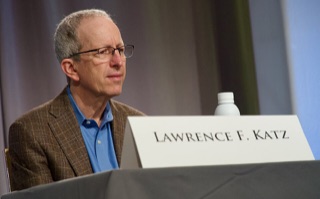 |
Lawrence F. Katz Harvard University |
Labor | 1 | 14.3 |
| 11 | – | 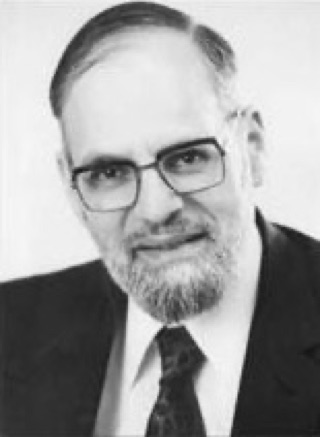 |
Israel M. Kirzner New York University |
Theory | 1 | 14.3 |
| 11 | – | 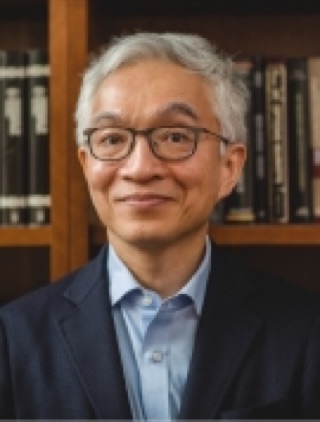 |
Nobuhiro Kiyotaki Princeton University |
Macro | 1 | 14.3 |
| 11 | – | David M. Kreps Stanford Graduate School of Business |
Theory | 1 | 14.3 | |
| 11 | – | 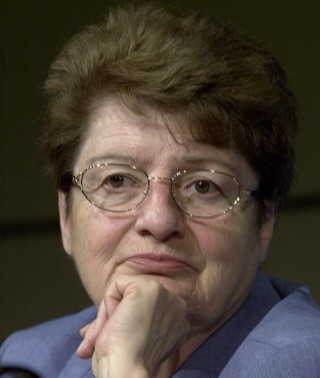 |
Anne Osborn Krueger Johns Hopkins University |
Political economy | 1 | 14.3 |
| 11 | – | 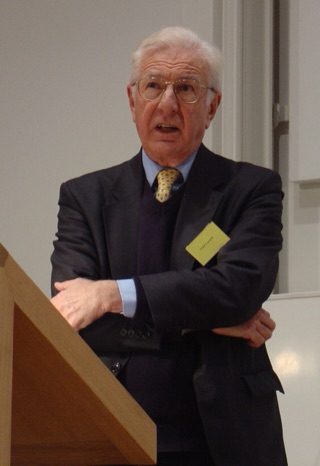 |
Richard Layard London School of Economics |
Behavioral | 1 | 14.3 |
| 11 | – | James A. Levinsohn Yale University |
Industrial organization | 1 | 14.3 | |
| 11 | – |  |
Daniel A. Levinthal University of Pennsylvania, Wharton School |
Innovation and firms | 1 | 14.3 |
| 11 | – |  |
John A. List University of Chicago |
Behavioral | 1 | 14.3 |
| 11 | – | 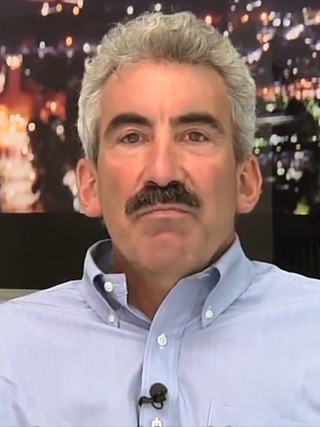 |
George Loewenstein Carnegie Mellon University |
Behavioral | 1 | 14.3 |
| 11 | – | Charles F. Manski Northwestern University |
Econometrics | 1 | 14.3 | |
| 11 | – | Paolo Mauro International Finance Corporation |
Political economy | 1 | 14.3 | |
| 11 | – | Marc Melitz Harvard University |
Trade | 1 | 14.3 | |
| 11 | – | John H. Moore University of Edinburgh |
Theory | 1 | 14.3 | |
| 11 | – | 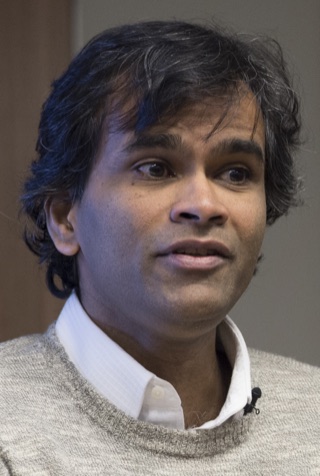 |
Sendhil Mullainathan MIT |
Behavioral | 1 | 14.3 |
| 11 | – | Kevin M. Murphy University of Chicago Booth School of Business |
Labor | 1 | 14.3 | |
| 11 | – | Stewart C. Myers MIT Sloan School of Management |
Finance | 1 | 14.3 | |
| 11 | – | 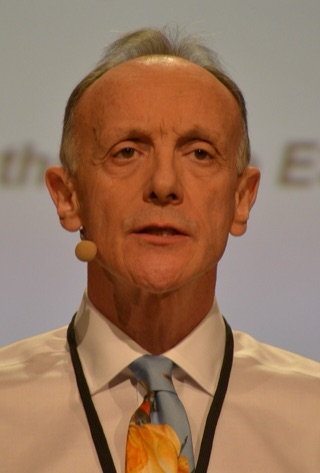 |
Andrew J. Oswald University of Warwick |
Behavioral | 1 | 14.3 |
| 11 | – | Sam Peltzman University of Chicago Booth School of Business |
Industrial organization | 1 | 14.3 | |
| 11 | – | Pierre Perron Boston University |
Econometrics | 1 | 14.3 | |
| 11 | – | M. Hashem Pesaran University of Southern California |
Econometrics | 1 | 14.3 | |
| 11 | – | Peter C. B. Phillips Yale University |
Econometrics | 1 | 14.3 | |
| 11 | – | 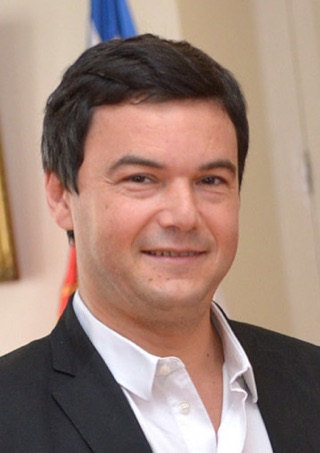 |
Thomas Piketty Paris School of Economics |
Inequality | 1 | 14.3 |
| 11 | – | 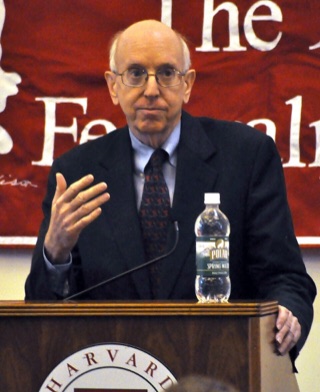 |
Richard Posner University of Chicago Law School |
Industrial organization | 1 | 14.3 |
| 11 | – | 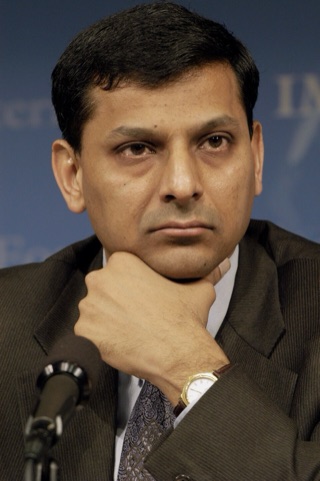 |
Raghuram Rajan University of Chicago Booth School of Business |
Finance | 1 | 14.3 |
| 11 | – | 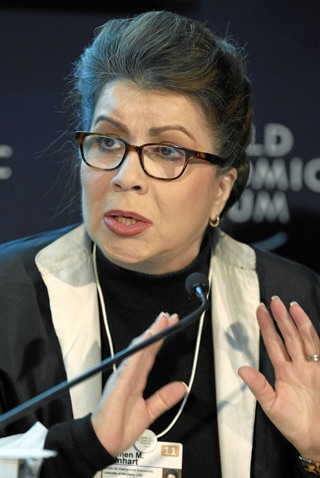 |
Carmen M. Reinhart Harvard Kennedy School |
Macro | 1 | 14.3 |
| 11 | – | 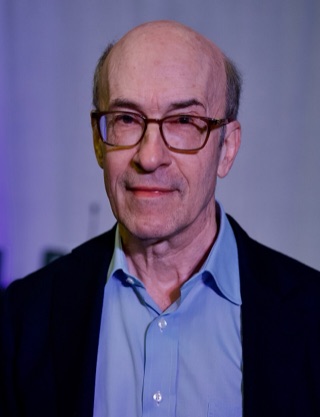 |
Kenneth S. Rogoff Harvard University |
Macro | 1 | 14.3 |
| 11 | – | 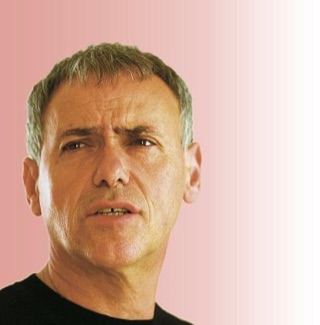 |
Ariel Rubinstein Tel Aviv University / New York University |
Theory | 1 | 14.3 |
| 11 | – | 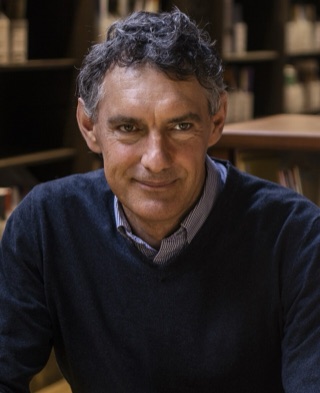 |
Emmanuel Saez UC Berkeley |
Inequality | 1 | 14.3 |
| 11 | – | 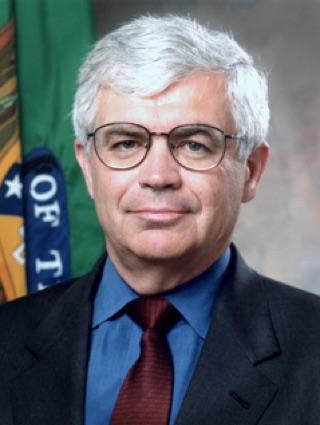 |
John B. Taylor Stanford University (Hoover Institution) |
Monetary | 1 | 14.3 |
| 11 | – | 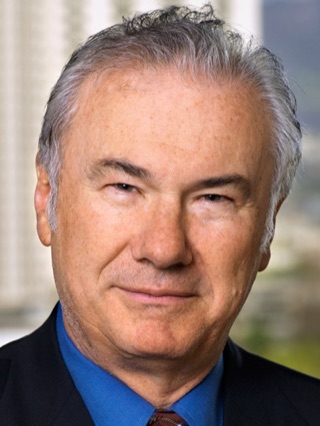 |
David J. Teece UC Berkeley |
Innovation and firms | 1 | 14.3 |
| 11 | – | 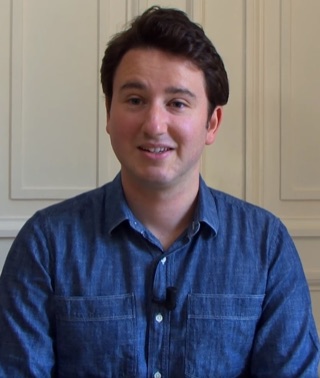 |
Gabriel Zucman Paris School of Economics / UC Berkeley |
Inequality | 1 | 14.3 |
| 73 | – | 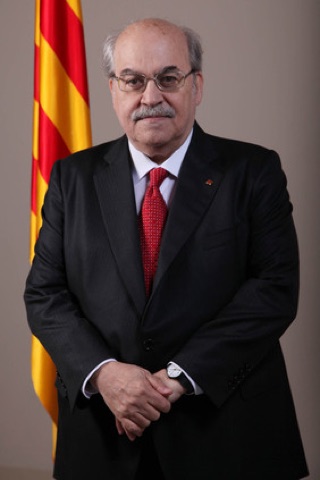 |
Andreu Mas-Colell Universitat Pompeu Fabra and Barcelona School of Economics (emeritus) |
Theory | 1 | 2.6 |
| 74 | – |  |
Luigi Zingales University of Chicago Booth School of Business |
Finance | 1 | 0.9 |