Rankings / Update
Polymarket opens with seventeen names, and six new sources join the board
Six days out, Polymarket finally listed an economics market, with seventeen names and more money on day one than Kalshi has seen all season. Kalshi sold Ariel Pakes down from 32 to 26 and bought Susan Athey up to 20. And the board now reads six more sources, from a statistical model of the committee to ten AI models to three economists who publish their picks, every one of them to be scored against Monday's result.
Six days before the announcement, three things happened on the same day. Polymarket opened. Kalshi changed its mind about Ariel Pakes. And this desk added six sources to the board, because every one of them will be graded on Monday, and the grades are how next year's weights get set.
Polymarket opens. Polymarket listed its economics market at 09:04 UTC on Monday, October 6, with seventeen names, eight more than Kalshi has carried since July. By the end of the US day it had traded about $33,000 and was holding $43,000 of liquidity, which is more money than this prize has seen on any market this season. The top of the book agrees with Kalshi on the order and disagrees on the size: Pakes at 22, Susan Athey at 18.5, Robert Barro and Partha Dasgupta at 10. Then come the names Kalshi never listed. Victor Chernozhukov is 9.5 on eighty dollars of trade, so a wide book on a rumor. Michael Woodford is 8, Lawrence Katz is 7.5 on $2,244 of real money, Hal Varian and David Autor are 6.5, Sidney Winter is 4.5. That is the first time anyone has put a price on three of this year's four Clarivate names. And then two Argentines: Demian Reidel, the president's former chief economic adviser, at 7, and Javier Milei himself at 3, on $3,400 of volume, more than traded on Richard Blundell. A prediction market will list anyone a crowd wants to bet on. We have added both to the board, with scouting reports that say what the market line means.
Kalshi sells Pakes and buys Athey. On Kalshi, yesterday's story reversed. Pakes, who closed Sunday at 32 after a 500-contract buy, was sold hard in the US morning: 200 contracts at 35, 136 at 30, 50 at 24. Buyers came back in the afternoon and printed 35 again, and his last trade is 26 on a 17-bid, 23-ask book. Athey was the busiest name on the market, 58 trades in a day, bought from 19 up to 26 in small lots and then sold back to 20 on 150- and 80-contract hits. Her open interest, 2,725 contracts, is now the largest on the board; Pakes has slipped to second. Blundell printed 15 on 64 contracts, a thin trade on a thin book. Barro took a 200-contract buy at 12 and a 34-contract print at 18, then settled at 12. The odd position of the day belongs to Luigi Zingales: about 1,400 contracts bought at 4 and 5 cents, including two 500-lots, on the day Polymarket opened. His last trade is 3, but his open interest, 2,152, is now third on the board. Somebody wants a lot of a cheap ticket. And yesterday's 500-lot on Andreu Mas-Colell at 6 was answered today by a 200-contract sale at 1. Polymarket, for what it is worth, has him at 8.
Six new sources. The board read eight sources through Sunday; from today it reads fifteen. The new ones, with the weight we give each:
- Richard Tol's model (weight 1.5). A statistical reconstruction of every past prize, scoring 161 living economists on citations, coauthorship with earlier laureates and the historical rotation between fields. It is the only source here that models the committee rather than the economists. It says the 2026 prize goes to information economics, game theory, development or economic history, and lists a top ten led by Sanford Grossman at 4.4 percent, Barry Eichengreen, Barro, Drew Fudenberg, Gene Grossman, Tim Besley, David Weil, Kevin Murphy, Kenneth French and Gilles Saint-Paul at 2.1 percent. Barro is the only name on that list in the top five of either market. Tol also notes that Anna Dreber fronts the committee this year, which he reads as a point for a Camerer-Loewenstein prize.
- Prophet Arena (weight 1.5). Ten frontier language models each forecast the nine Kalshi names from one shared research briefing, and the site averages them. The consensus is Athey 37.7 percent and Pakes 20.6, the reverse of the money. The machines back Athey where the markets back Pakes, and the gap is the most interesting number on the board this week.
- Octagon AI (weight 0.5). A single model, undisclosed method, last updated July 28, which puts Pakes first at 7.5 percent and gives four of the nine Kalshi names zero. Stale, so it carries little weight, but it is a second machine opinion and it disagrees with the first.
- Scott Cunningham (weight 1.5). An annual ranked list, published every October since 2021, behind a paywall. His September 28 list, as Tol reported it, leads with Autor and Katz for skill-biased technological change, perhaps with Murphy, and keeps Steven Berry, James Levinsohn and Pakes as the backup. He posted an update on October 1 that we could not read; a research pass on Sunday read it as adding Athey and Chernozhukov in second place, and until we can confirm that, the board carries the September list.
- Nicholas Decker (weight 1). One confident prediction a year, with an essay behind it. On October 4 he wrote that he was confident enough in Timothy Bresnahan, Berry and Pakes to write the article in advance. Last year he named Berry, Hausman and Pakes, then added that the committee would instead go to Aghion and Howitt, which it did.
- Maia Mindel (weight 0.5). Berry, Bresnahan, Levinsohn and Pakes, from a thread on X that we have only secondhand, from a roundup. The weight reflects that.
- Tomas Bata University (weight 0.5). The Zlin economics department's annual guessing game, parallel to HSE's. Entries by email through October 11; the tally comes with the prize, and the source enters the board then.
Three things we looked at and did not add. Manifold has no per-candidate market this year, only a binary on whether a US citizen wins, at 86 percent. Farhad Panahov runs an open survey that publishes no counts. And no UK bookmaker has posted an economics market, which is why the Ladbrokes line on our board is still empty.
What it does to the Power Rankings. For the first time this season, Pakes leads: 30.5 to Athey's 28.6. Eight sources now name him to her five. Berry jumps from eleventh to third on three forecasters and no market. Woodford, Varian and Winter hold fourth through sixth on Clarivate plus their new Polymarket prices. Barro is seventh, the only economist on a market, a model and a forecaster's list at once. Katz and Autor are eighth and ninth. Below the line, Bresnahan and Sanford Grossman enter at fifteenth from nowhere, Eichengreen at nineteenth, Fudenberg at twenty-first, and Blundell and Dasgupta fall to thirteenth and fourteenth as the denominator grows. Adding sources mid-season moves the board, and that is the point: the replay keeps every earlier snapshot, and on Monday every source gets a grade.
The prize is announced Monday, October 12, at 11:45 CEST at the earliest, the last of the 2026 announcements.
The board after this update
Darkhorses Respected, lower probability, could surprise.
| # | Candidate | Field | Sources | Score | ||
|---|---|---|---|---|---|---|
| 1 | ▲4 | Ariel Pakes Harvard University |
Industrial organization | 8 | 30.5 | |
| 2 | ▼1 | 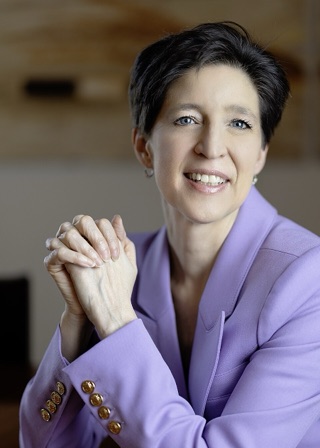 |
Susan C. Athey Stanford Graduate School of Business |
Market design | 5 | 28.6 |
| 3 | ▲8 | Steven T. Berry Yale University |
Industrial organization | 4 | 19.7 | |
| 4 | ▼2 | Michael D. Woodford Columbia University |
Monetary | 2 | 19.6 | |
| 5 | ▼3 |  |
Hal R. Varian University of California, Berkeley (emeritus); formerly Chief Economist, Google |
Market design | 2 | 19.4 |
| 6 | ▼4 | Sidney G. Winter The Wharton School, University of Pennsylvania (emeritus) |
Innovation and firms | 2 | 19.0 | |
| 7 | ▼1 | Robert J. Barro Harvard University |
Macro | 6 | 17.9 | |
| 8 | ▲3 | 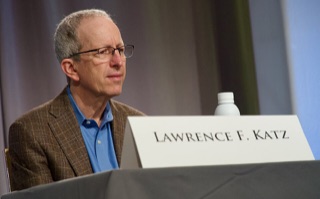 |
Lawrence F. Katz Harvard University |
Labor | 3 | 16.5 |
| 9 | ▲2 | 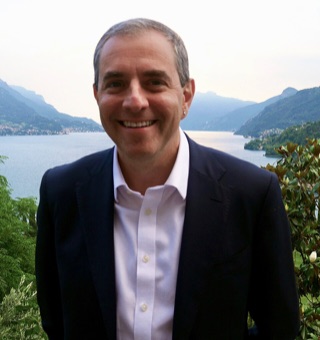 |
David Autor MIT |
Labor | 3 | 16.3 |
The Field On our radar. The live sources are not pricing them.
| # | Candidate | Field | Sources | Score | ||
|---|---|---|---|---|---|---|
| 10 | ▲1 | James A. Levinsohn Yale University |
Industrial organization | 3 | 13.6 | |
| 11 | – | Kevin M. Murphy University of Chicago Booth School of Business |
Labor | 3 | 13.3 | |
| 12 | ▼1 | Gene M. Grossman Princeton University |
Trade | 2 | 11.5 | |
| 13 | ▼6 | 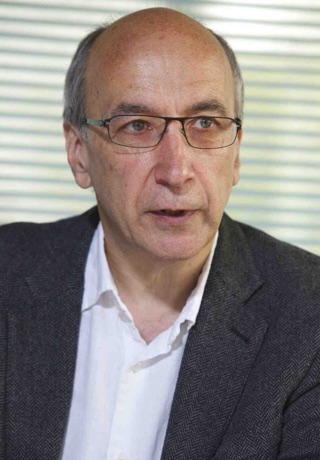 |
Richard Blundell University College London / Institute for Fiscal Studies |
Labor | 4 | 11.1 |
| 14 | ▼6 | 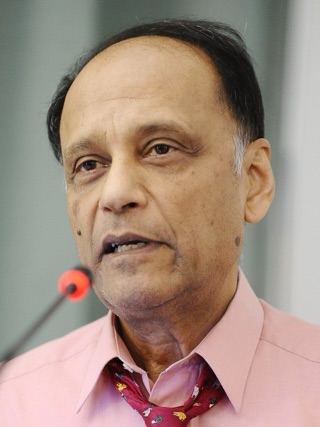 |
Partha Dasgupta University of Cambridge |
Environment | 5 | 9.8 |
| 15 | ▲60 | Timothy Bresnahan Stanford University |
Industrial organization | 2 | 9.1 | |
| 15 | ▲60 | Sanford Grossman QFS Asset Management; formerly Wharton and Princeton |
Finance | 1 | 9.1 | |
| 17 | ▼9 | 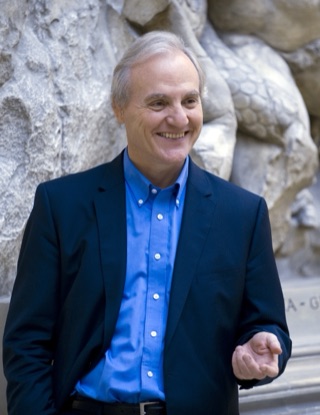 |
Ernst Fehr University of Zurich |
Behavioral | 4 | 8.9 |
| 18 | ▼8 |  |
Matthew Rabin Harvard University |
Behavioral | 4 | 8.7 |
| 19 | ▲56 | 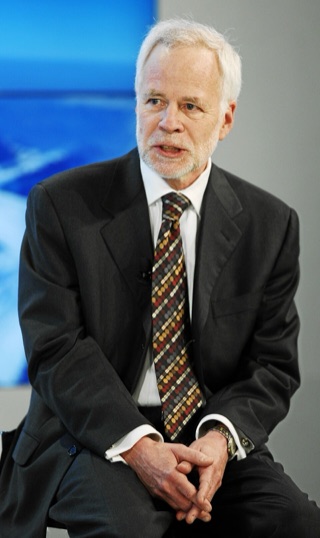 |
Barry Eichengreen University of California, Berkeley |
Macro | 1 | 8.2 |
| 20 | ▼9 | Kenneth R. French Dartmouth College (Tuck School of Business) |
Finance | 2 | 7.9 | |
| 21 | ▲54 | Drew Fudenberg Massachusetts Institute of Technology |
Theory | 1 | 6.4 | |
| 22 | ▼11 | Manuel Arellano CEMFI, Madrid |
Econometrics | 1 | 6.1 | |
| 22 | ▼11 | 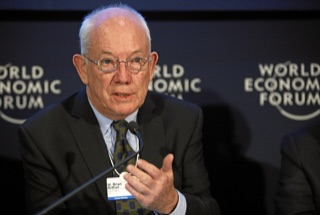 |
W. Brian Arthur Santa Fe Institute |
Innovation and firms | 1 | 6.1 |
| 22 | ▼11 | David B. Audretsch Indiana University |
Innovation and firms | 1 | 6.1 | |
| 22 | ▼11 | Marianne Bertrand University of Chicago Booth School of Business |
Labor | 1 | 6.1 | |
| 22 | ▼11 |  |
Jagdish Bhagwati Columbia University |
Trade | 1 | 6.1 |
| 22 | ▼11 | 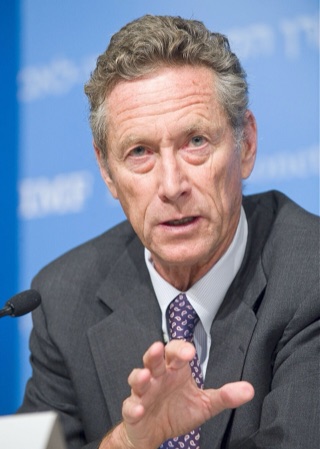 |
Olivier Blanchard Peterson Institute for International Economics / MIT |
Macro | 1 | 6.1 |
| 22 | ▼11 | 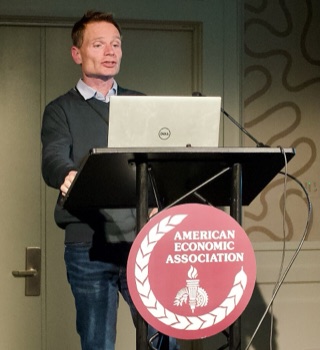 |
Nicholas Bloom Stanford University |
Macro | 1 | 6.1 |
| 22 | ▼11 | Steve Bond University of Oxford |
Econometrics | 1 | 6.1 | |
| 22 | ▼11 | 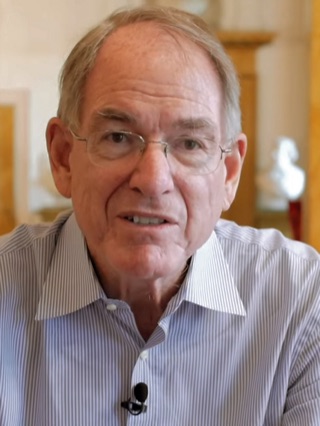 |
Samuel Bowles Santa Fe Institute |
Behavioral | 1 | 6.1 |
| 22 | ▼11 | Colin Camerer California Institute of Technology |
Behavioral | 1 | 6.1 | |
| 22 | ▼11 | 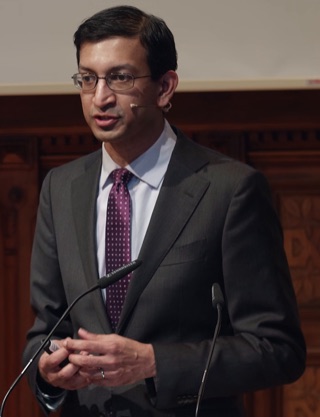 |
Raj Chetty Harvard University |
Public economics | 1 | 6.1 |
| 22 | ▼11 | 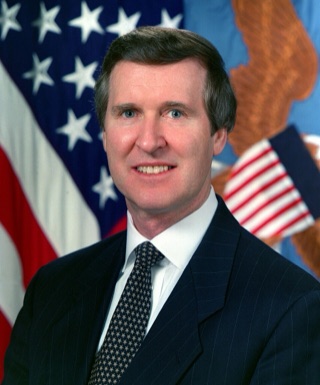 |
Wesley M. Cohen Duke University, Fuqua School of Business |
Innovation and firms | 1 | 6.1 |
| 22 | ▼11 | 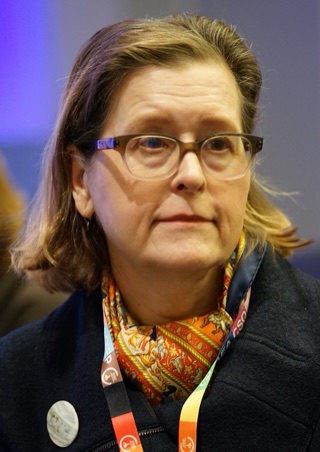 |
Janet Currie Princeton University |
Public economics | 1 | 6.1 |
| 22 | ▼11 | David A. Dickey North Carolina State University |
Econometrics | 1 | 6.1 | |
| 22 | ▼11 | 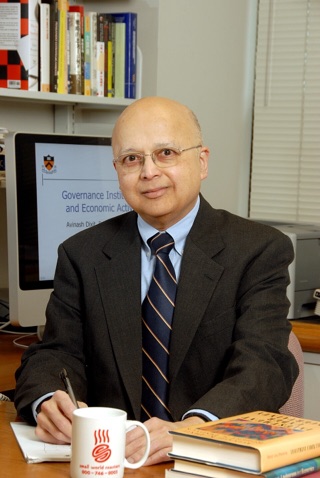 |
Avinash K. Dixit Princeton University |
Trade | 1 | 6.1 |
| 22 | ▼11 | Wayne A. Fuller Iowa State University |
Econometrics | 1 | 6.1 | |
| 22 | ▼11 | 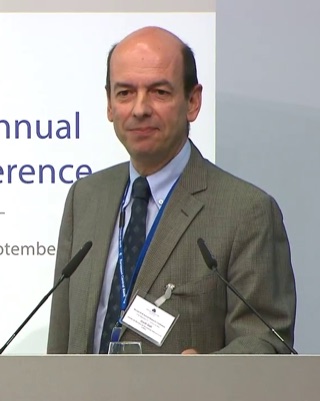 |
Jordi Galí CREI, Universitat Pompeu Fabra, Barcelona School of Economics |
Monetary | 1 | 6.1 |
| 22 | ▼11 | 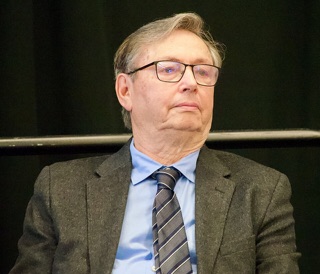 |
Mark Gertler New York University |
Monetary | 1 | 6.1 |
| 22 | ▼11 | 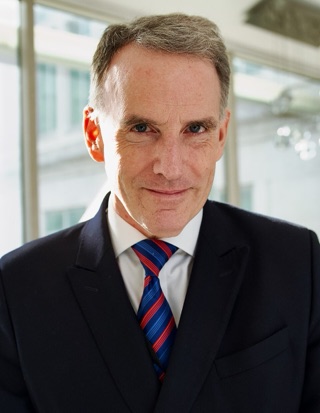 |
Edward Glaeser Harvard University |
Growth | 1 | 6.1 |
| 22 | ▼11 | Mark Granovetter Stanford University |
Theory | 1 | 6.1 | |
| 22 | ▼11 | 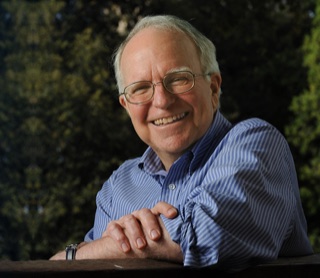 |
Robert E. Hall Stanford University / Hoover Institution |
Macro | 1 | 6.1 |
| 22 | ▼11 | Jerry A. Hausman Massachusetts Institute of Technology |
Econometrics | 1 | 6.1 | |
| 22 | ▼11 |  |
Elhanan Helpman Harvard University |
Trade | 1 | 6.1 |
| 22 | ▼11 | David Forbes Hendry University of Oxford |
Econometrics | 1 | 6.1 | |
| 22 | ▼11 | Søren Johansen University of Copenhagen |
Econometrics | 1 | 6.1 | |
| 22 | ▼11 | Katarina Juselius University of Copenhagen |
Econometrics | 1 | 6.1 | |
| 22 | ▼11 |  |
Israel M. Kirzner New York University |
Theory | 1 | 6.1 |
| 22 | ▼11 | 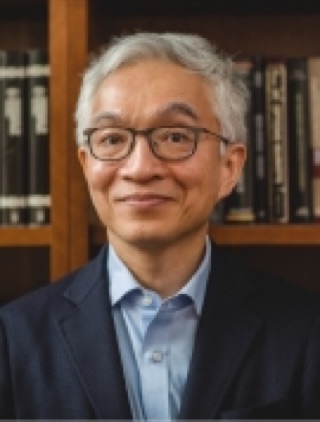 |
Nobuhiro Kiyotaki Princeton University |
Macro | 1 | 6.1 |
| 22 | ▼11 | David M. Kreps Stanford Graduate School of Business |
Theory | 1 | 6.1 | |
| 22 | ▼11 | 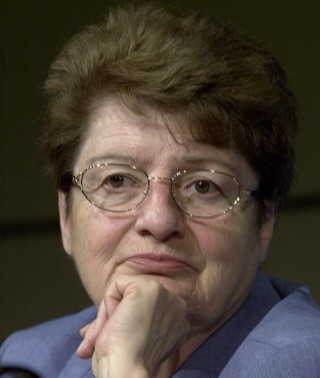 |
Anne Osborn Krueger Johns Hopkins University |
Political economy | 1 | 6.1 |
| 22 | ▼11 | 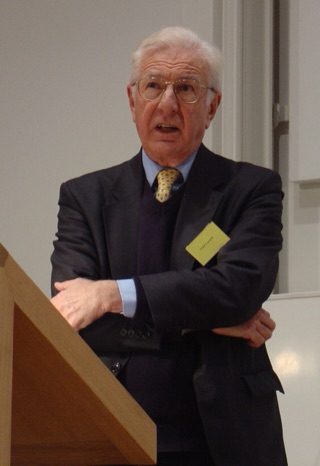 |
Richard Layard London School of Economics |
Behavioral | 1 | 6.1 |
| 22 | ▼11 | 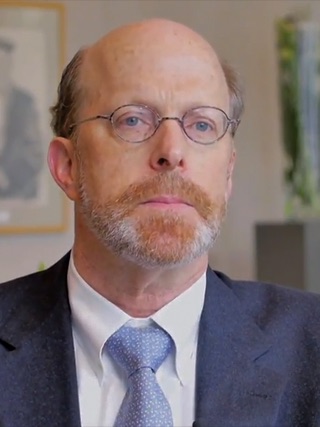 |
Daniel A. Levinthal University of Pennsylvania, Wharton School |
Innovation and firms | 1 | 6.1 |
| 22 | ▼11 |  |
John A. List University of Chicago |
Behavioral | 1 | 6.1 |
| 22 | ▼11 |  |
George Loewenstein Carnegie Mellon University |
Behavioral | 1 | 6.1 |
| 22 | ▼11 | Charles F. Manski Northwestern University |
Econometrics | 1 | 6.1 | |
| 22 | ▼11 | Paolo Mauro International Finance Corporation |
Political economy | 1 | 6.1 | |
| 22 | ▼11 | Marc Melitz Harvard University |
Trade | 1 | 6.1 | |
| 22 | ▼11 | John H. Moore University of Edinburgh |
Theory | 1 | 6.1 | |
| 22 | ▼11 |  |
Sendhil Mullainathan MIT |
Behavioral | 1 | 6.1 |
| 22 | ▼11 | Stewart C. Myers MIT Sloan School of Management |
Finance | 1 | 6.1 | |
| 22 | ▼11 |  |
Andrew J. Oswald University of Warwick |
Behavioral | 1 | 6.1 |
| 22 | ▼11 | Sam Peltzman University of Chicago Booth School of Business |
Industrial organization | 1 | 6.1 | |
| 22 | ▼11 | Pierre Perron Boston University |
Econometrics | 1 | 6.1 | |
| 22 | ▼11 | M. Hashem Pesaran University of Southern California |
Econometrics | 1 | 6.1 | |
| 22 | ▼11 | Peter C. B. Phillips Yale University |
Econometrics | 1 | 6.1 | |
| 22 | ▼11 | 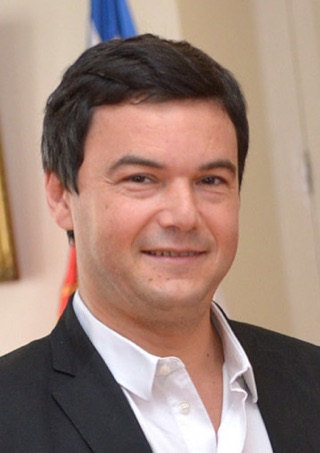 |
Thomas Piketty Paris School of Economics |
Inequality | 1 | 6.1 |
| 22 | ▼11 | 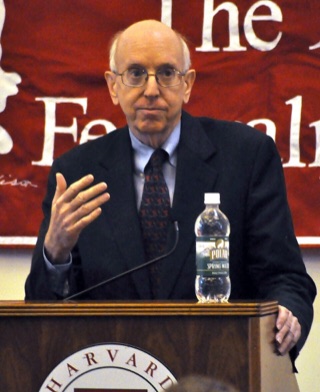 |
Richard Posner University of Chicago Law School |
Industrial organization | 1 | 6.1 |
| 22 | ▼11 | 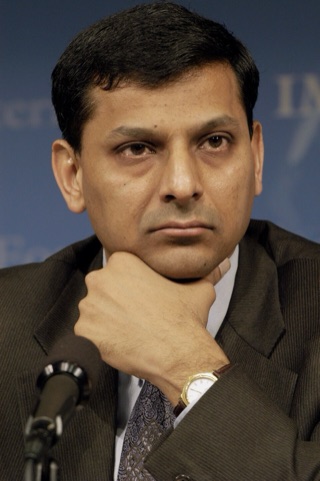 |
Raghuram Rajan University of Chicago Booth School of Business |
Finance | 1 | 6.1 |
| 22 | ▼11 | 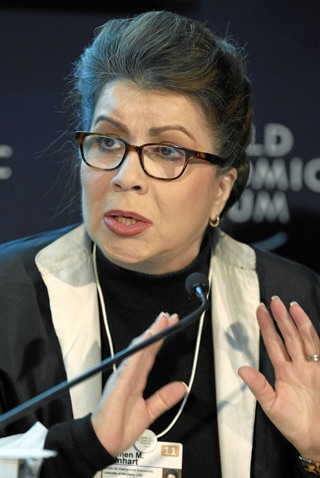 |
Carmen M. Reinhart Harvard Kennedy School |
Macro | 1 | 6.1 |
| 22 | ▼11 | 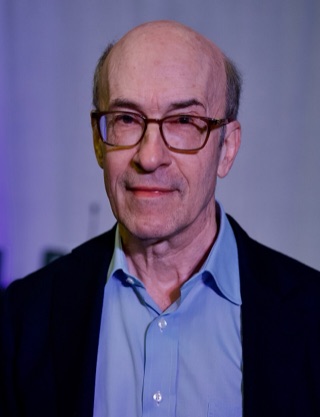 |
Kenneth S. Rogoff Harvard University |
Macro | 1 | 6.1 |
| 22 | ▼11 | 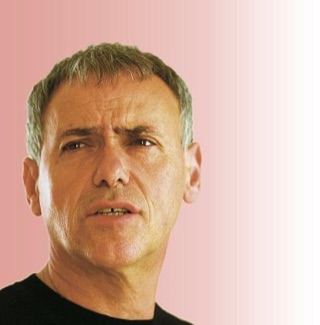 |
Ariel Rubinstein Tel Aviv University / New York University |
Theory | 1 | 6.1 |
| 22 | ▼11 | 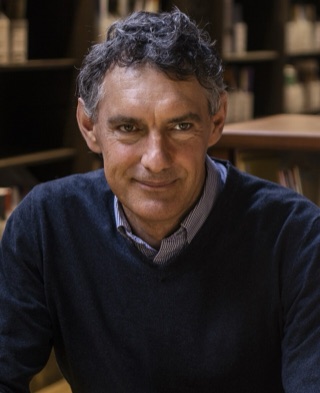 |
Emmanuel Saez UC Berkeley |
Inequality | 1 | 6.1 |
| 22 | ▼11 | 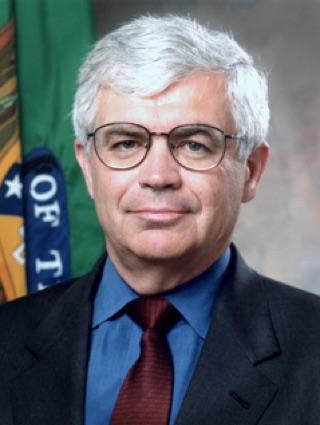 |
John B. Taylor Stanford University (Hoover Institution) |
Monetary | 1 | 6.1 |
| 22 | ▼11 |  |
David J. Teece UC Berkeley |
Innovation and firms | 1 | 6.1 |
| 22 | ▼11 |  |
Gabriel Zucman Paris School of Economics / UC Berkeley |
Inequality | 1 | 6.1 |
| 77 | ▼2 |  |
Tim Besley London School of Economics |
Development | 1 | 4.5 |
| 78 | ▼3 | David Weil Brown University |
Growth | 1 | 3.6 | |
| 79 | ▼6 |  |
Andreu Mas-Colell Universitat Pompeu Fabra and Barcelona School of Economics (emeritus) |
Theory | 3 | 2.0 |
| 80 | ▼6 | 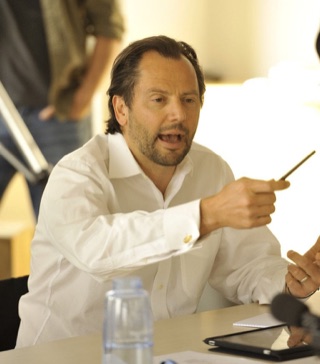 |
Luigi Zingales University of Chicago Booth School of Business |
Finance | 4 | 1.8 |
| 81 | ▼6 | Victor Chernozhukov Massachusetts Institute of Technology |
Econometrics | 1 | 1.7 | |
| 82 | ▼7 | Demian Reidel Nucleoeléctrica Argentina; former chief economic adviser to President Milei |
Macro | 1 | 1.3 | |
| 83 | ▼8 | Gilles Saint-Paul Paris School of Economics and École normale supérieure |
Growth | 1 | 0.9 | |
| 84 | ▼9 | 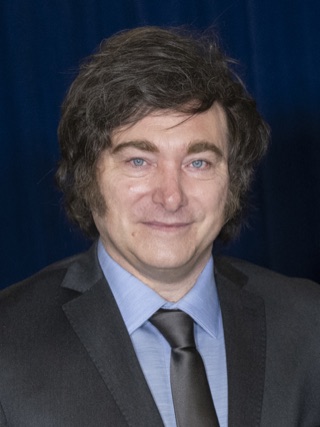 |
Javier Milei President of Argentina |
Political economy | 1 | 0.5 |
| 85 | ▼10 |  |
Francine Blau Cornell University |
Labor | 0 | 0.0 |
| 85 | ▼10 | Matthew Jackson Stanford University |
Theory | 0 | 0.0 |